
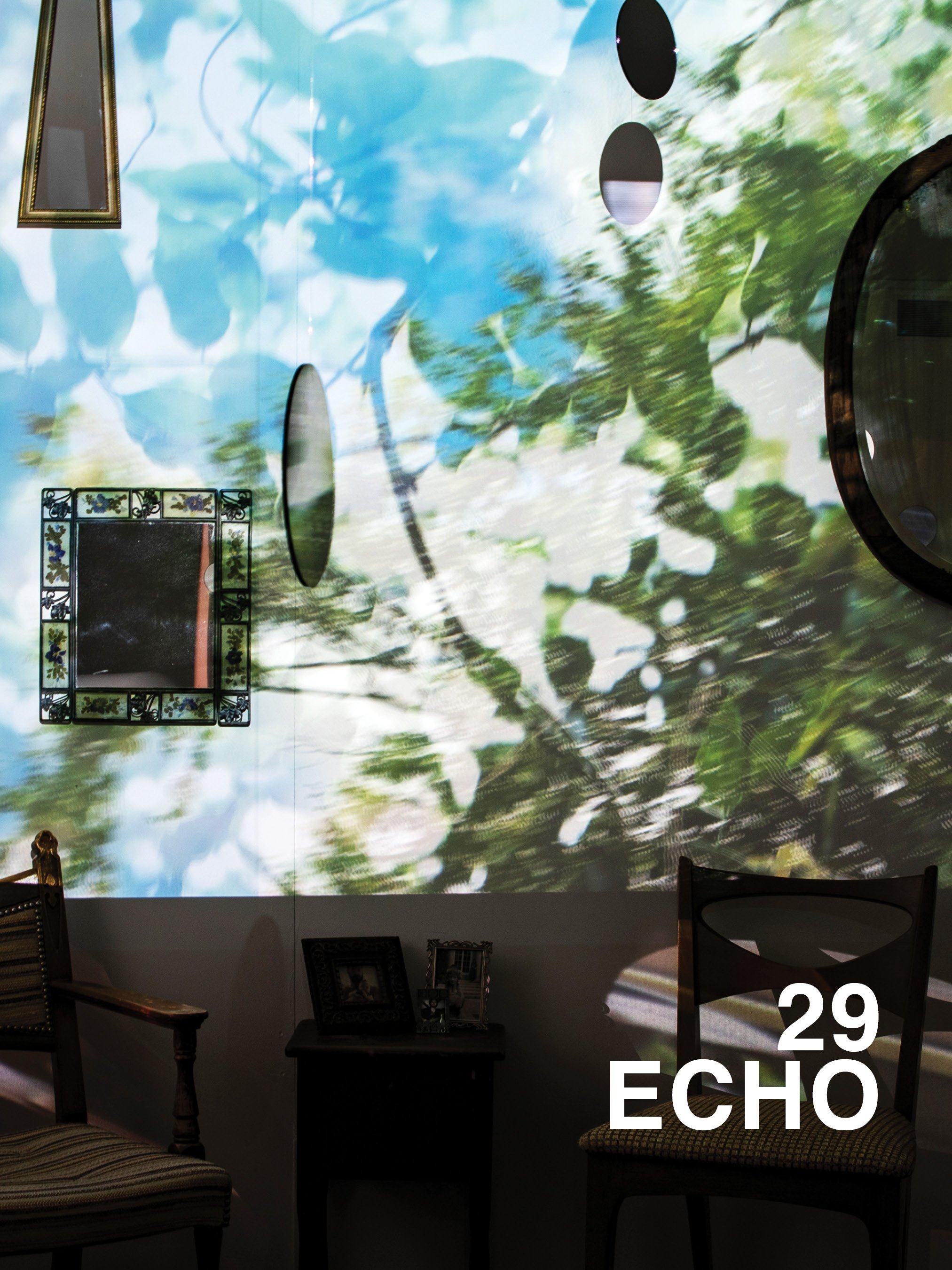


DICHOTOMY 29: ECHO
How does the concept of echo challenge the linear understanding of time and history? How does one decipher different moments in an echo, or different echoes in a reverberation, to identify the forces that shaped them? Whose voices are heard in these echoes, or is it even possible to differentiate them? If an echo is shaped by the interactions between a sound wave and the space that contains it, which role does the built environment play? Does this framework limit the agency of the built environment to a record? What is lost if there is no trace left of an echo?
Contributors:
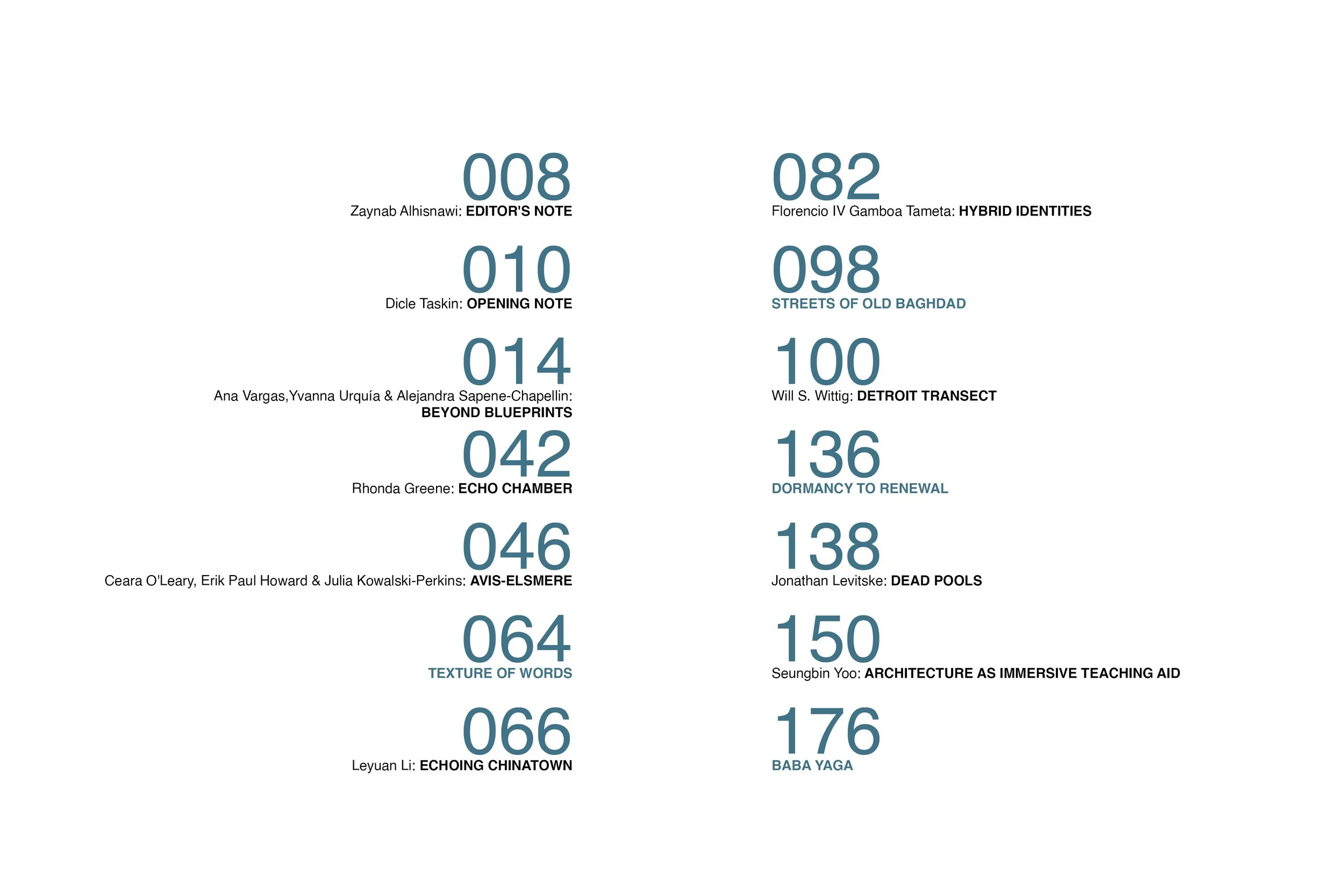
Dicle Taskin: OPENING NOTE
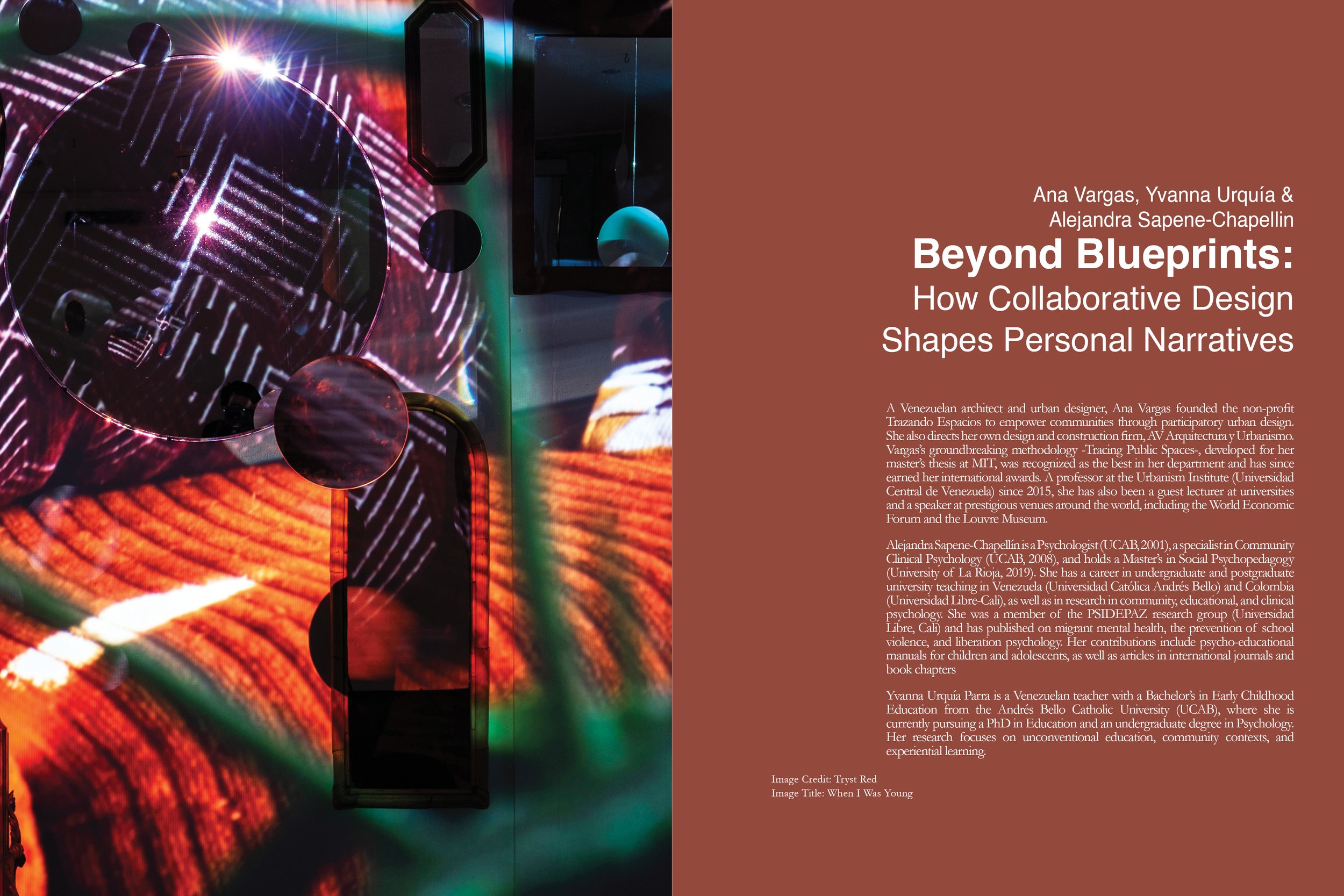
Ana Vargas, Yvanna Urquia and Alejandra Sapene-Chapellin: BEYOND BLUEPRINTS
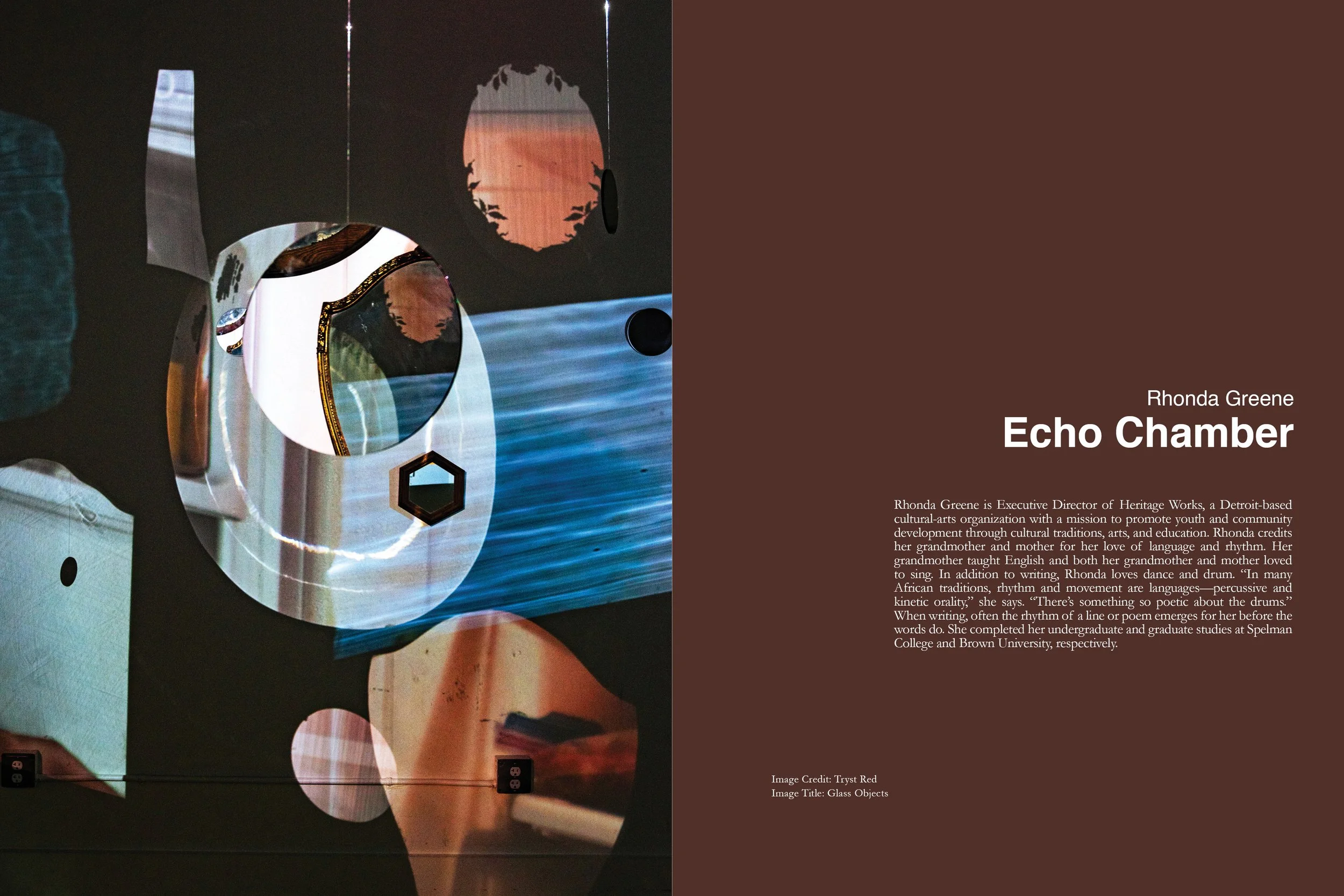
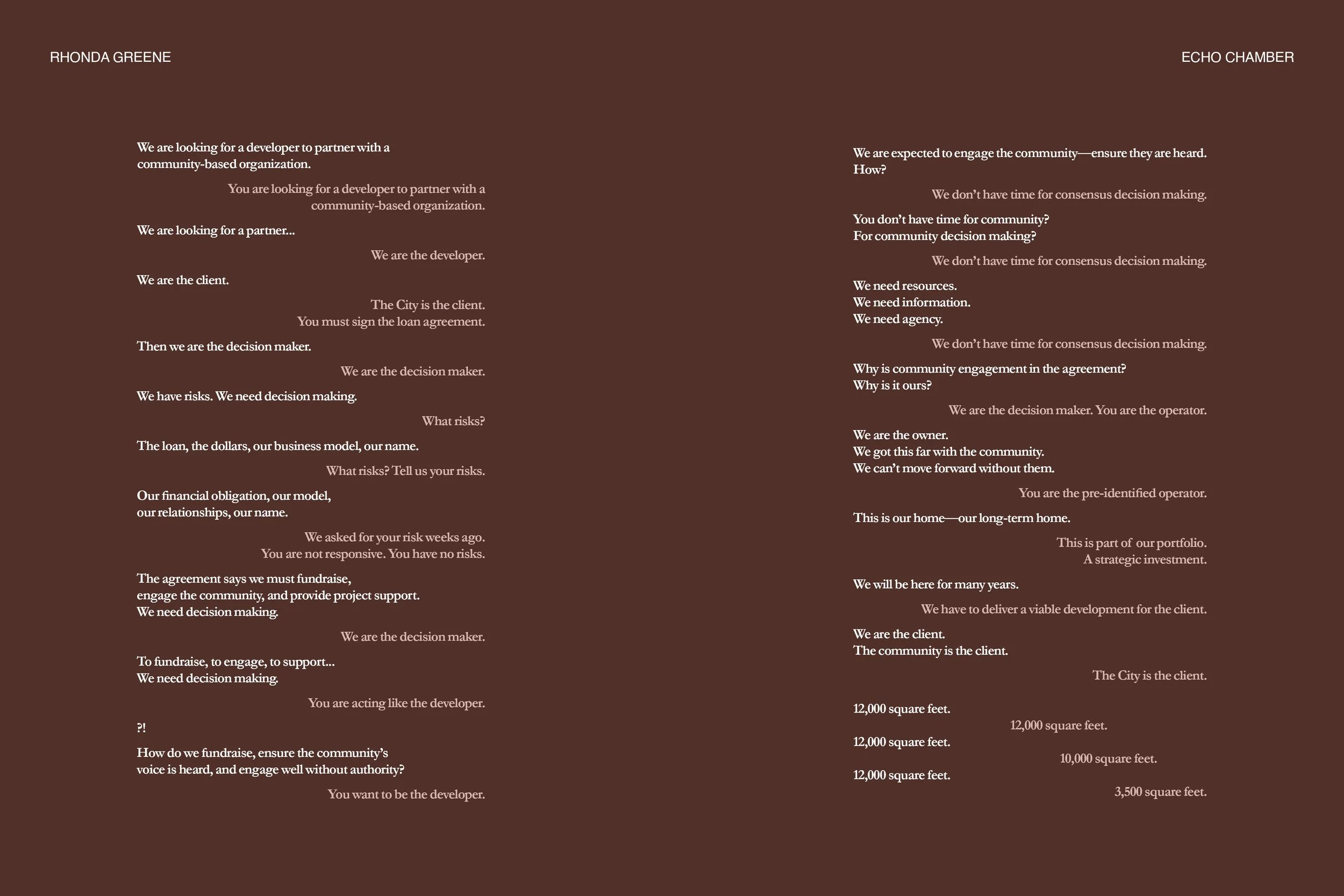
Rhonda Greene: ECHO CHAMBER
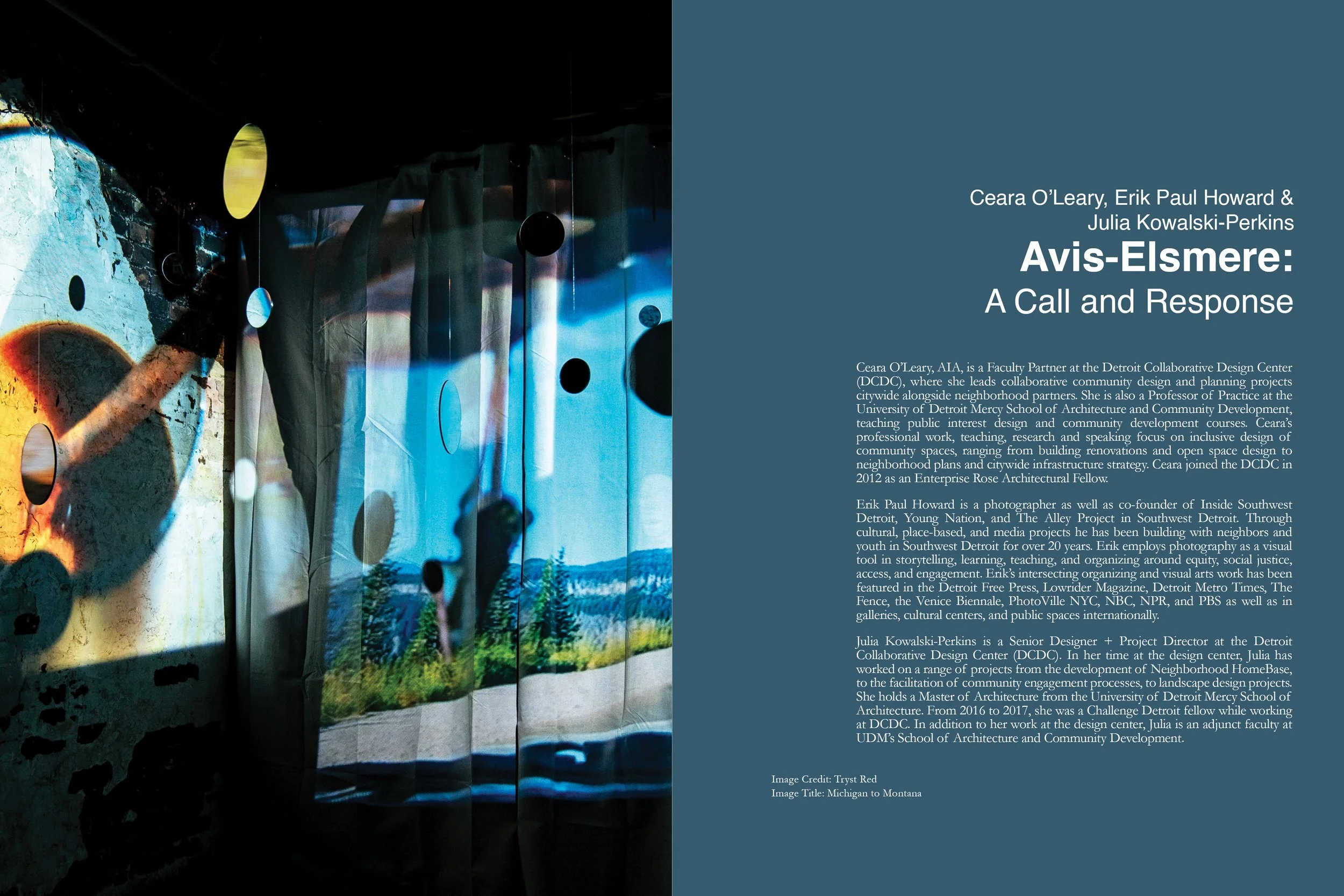
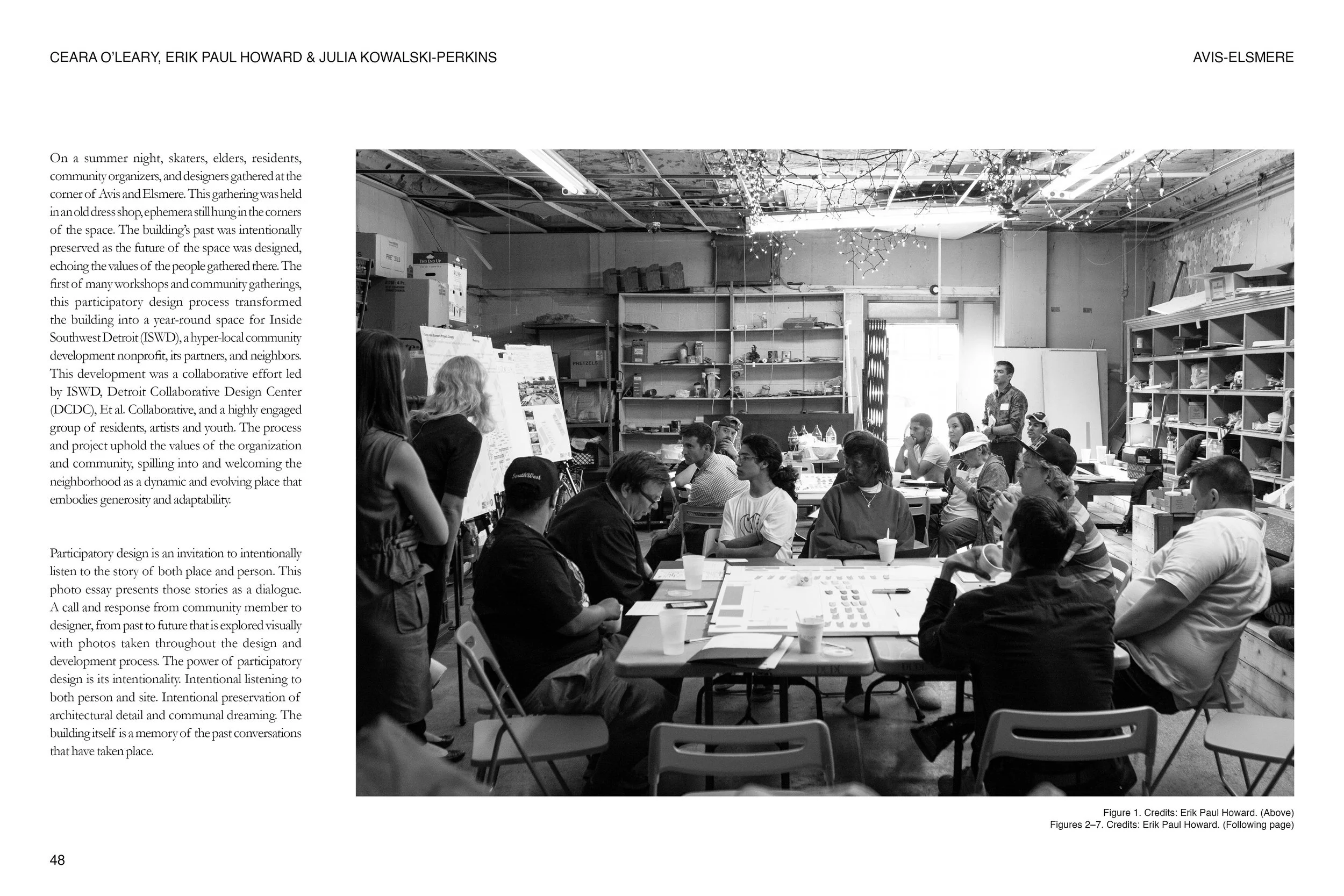
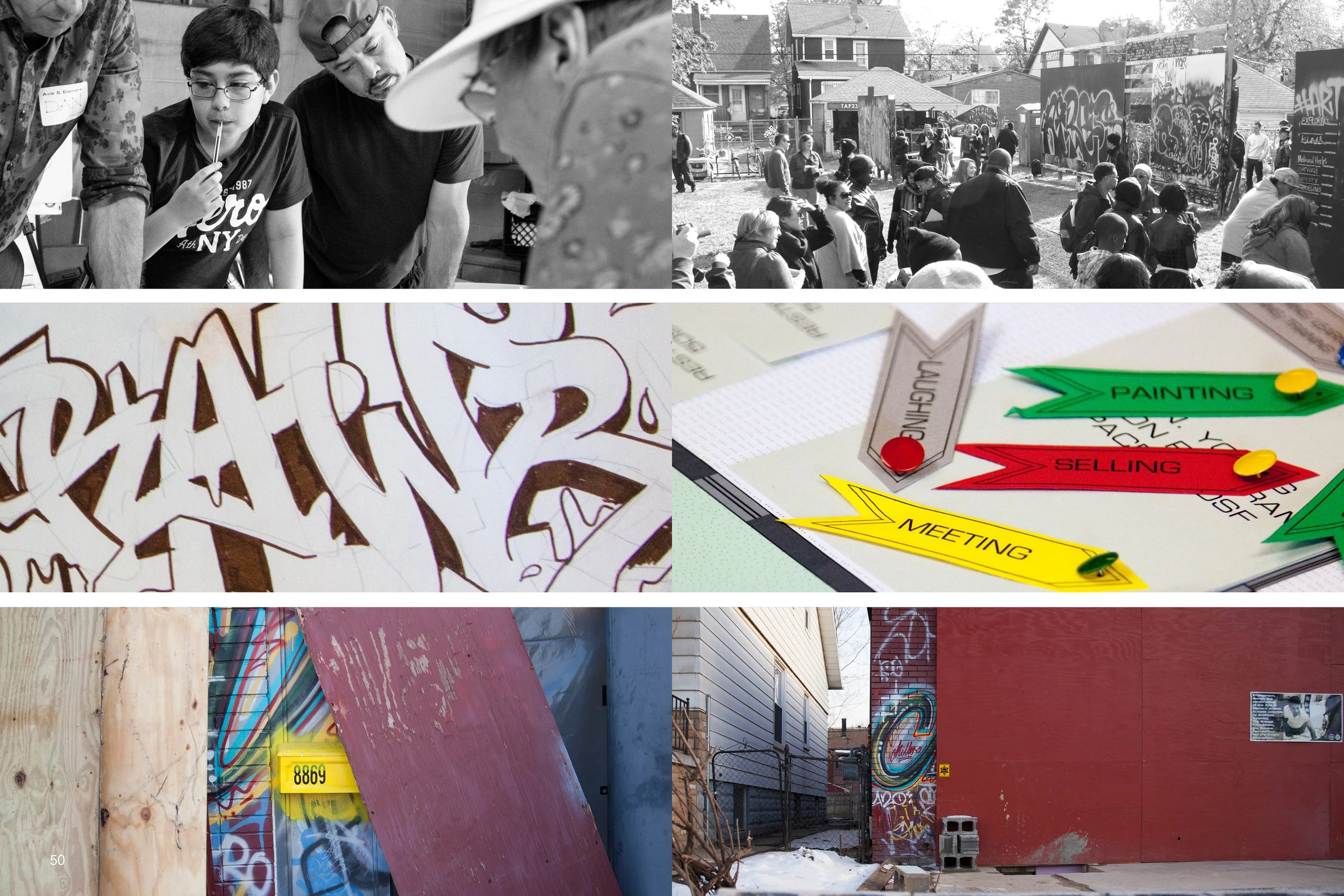
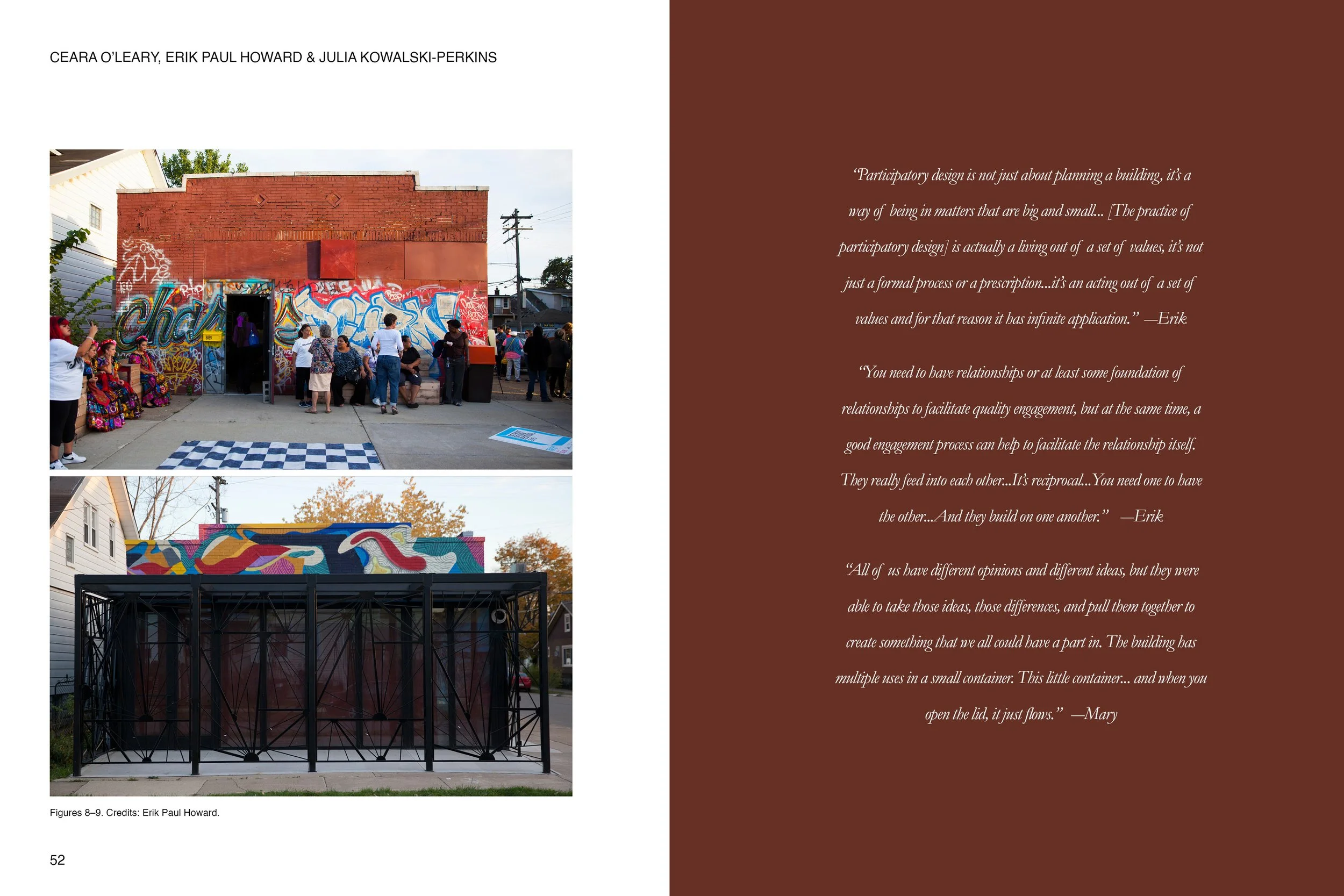
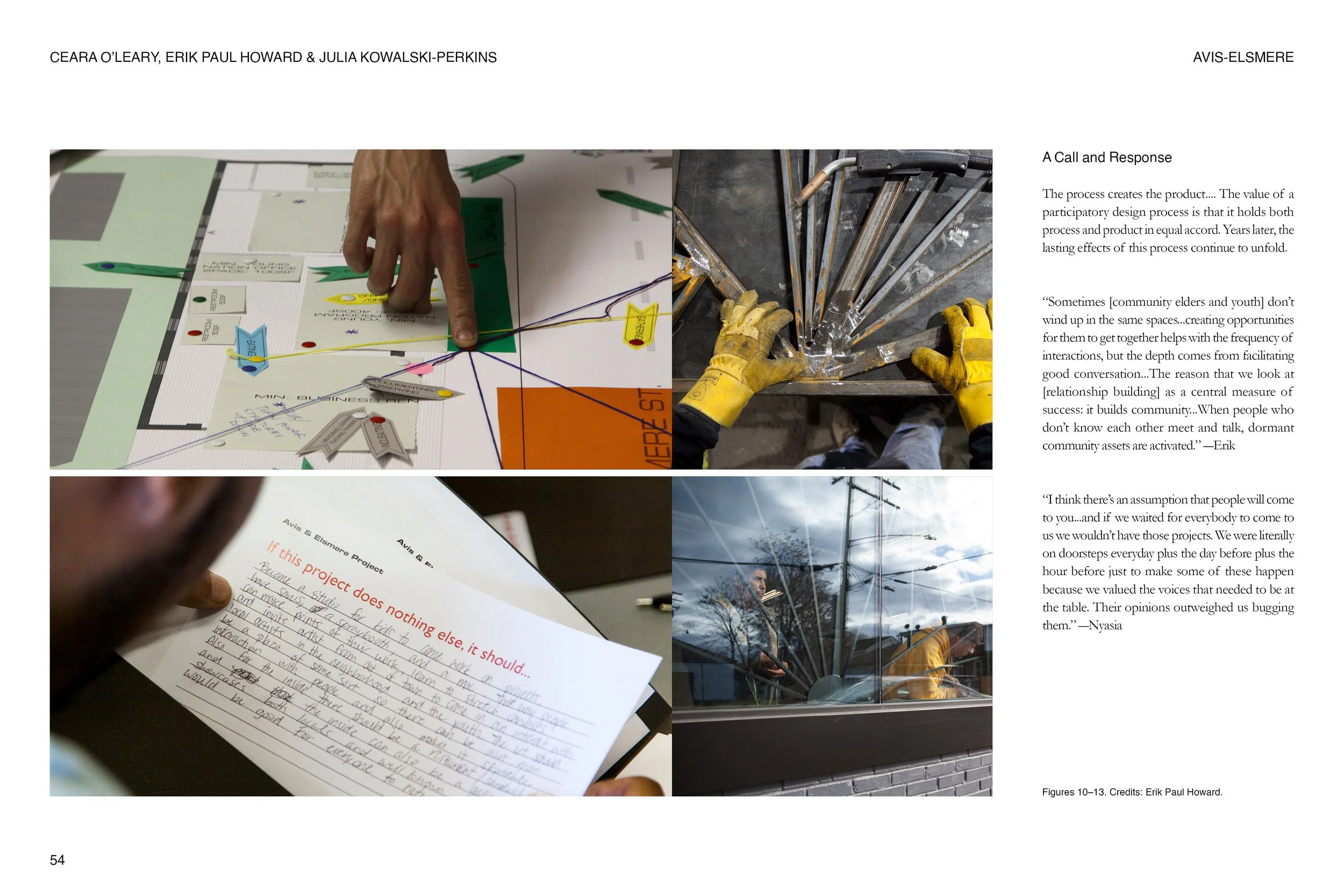
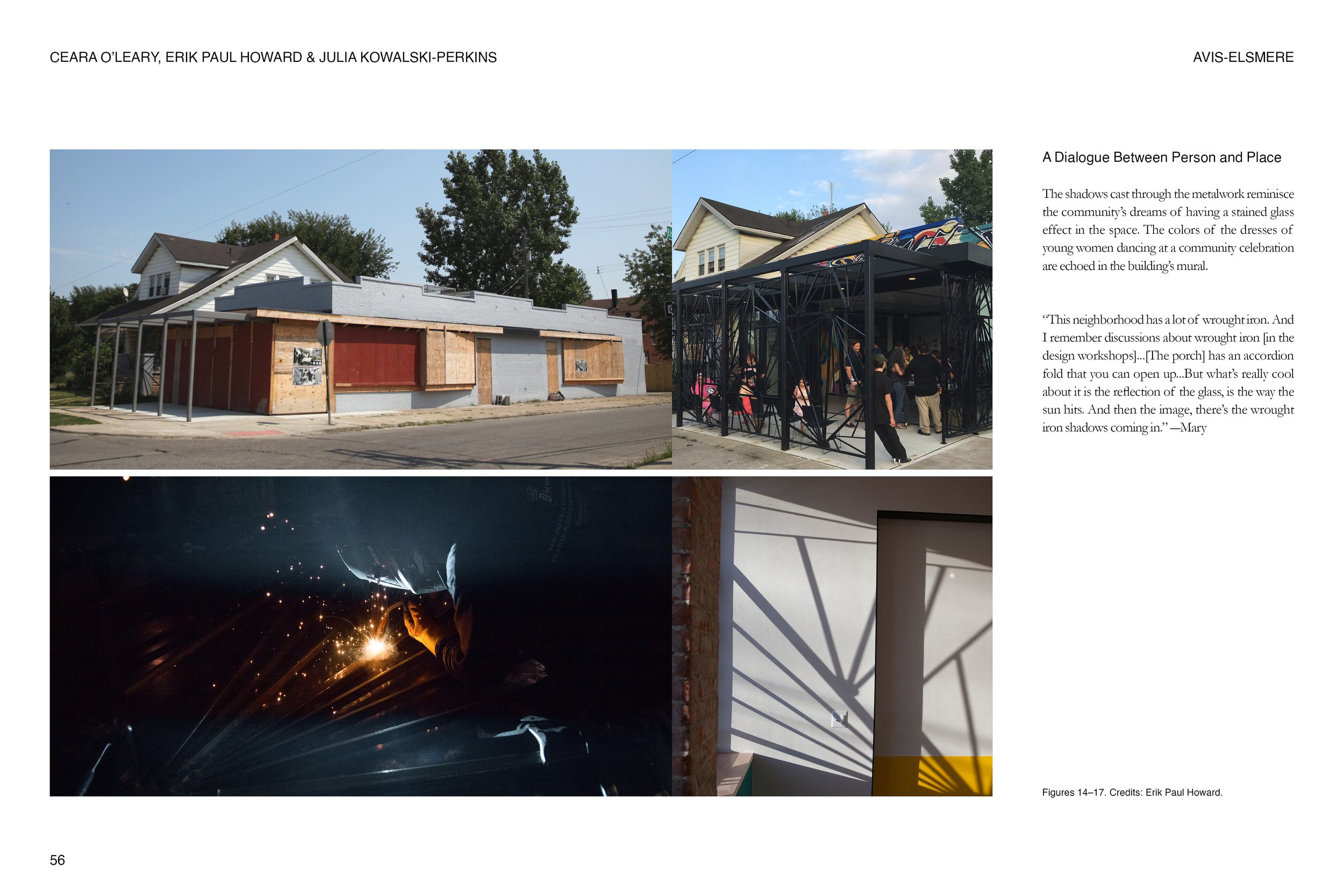
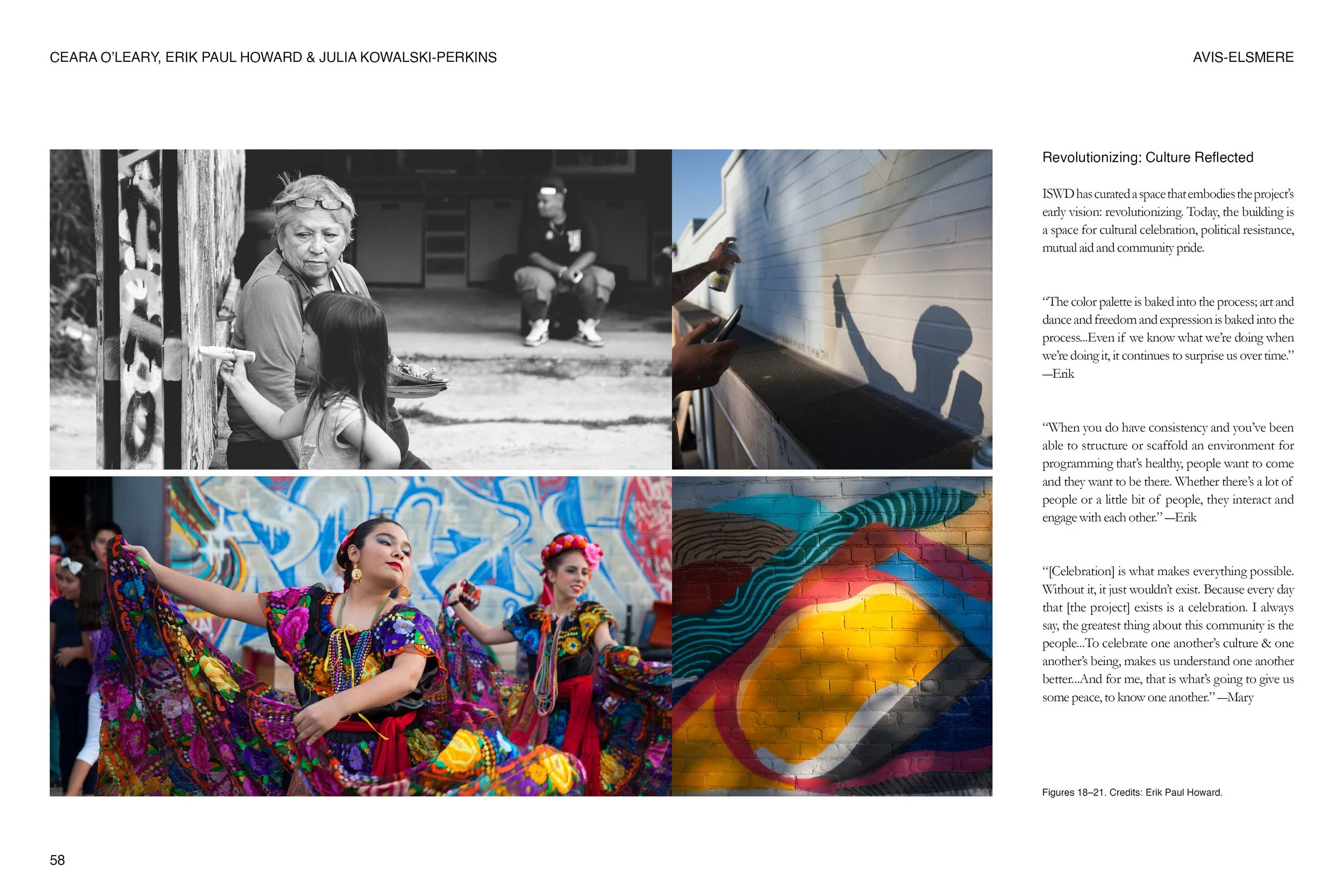
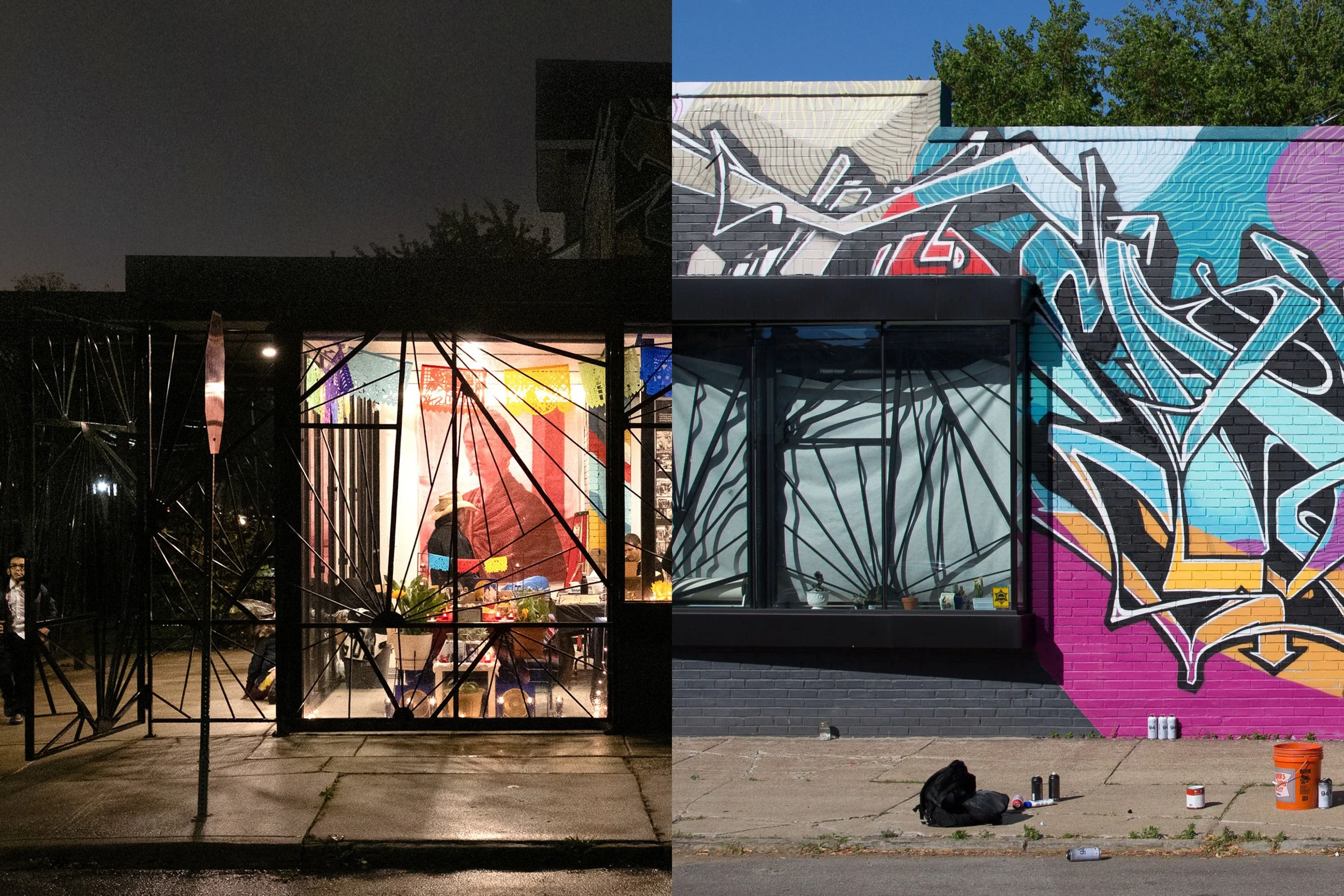
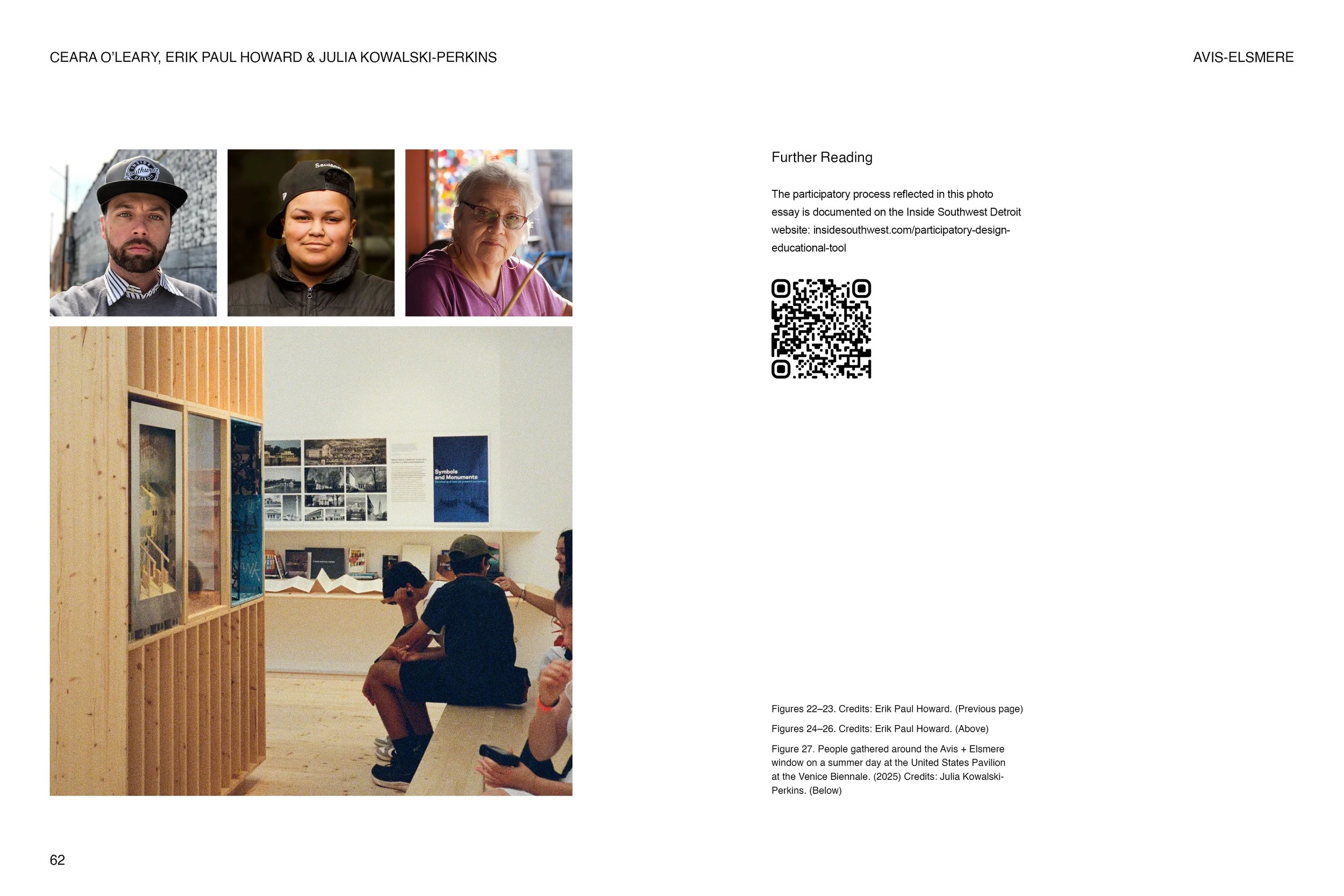
Ceara O’Leary, Erik Paul Howard and Julia Kowalski-Perkins: AVIS-ELSMERE
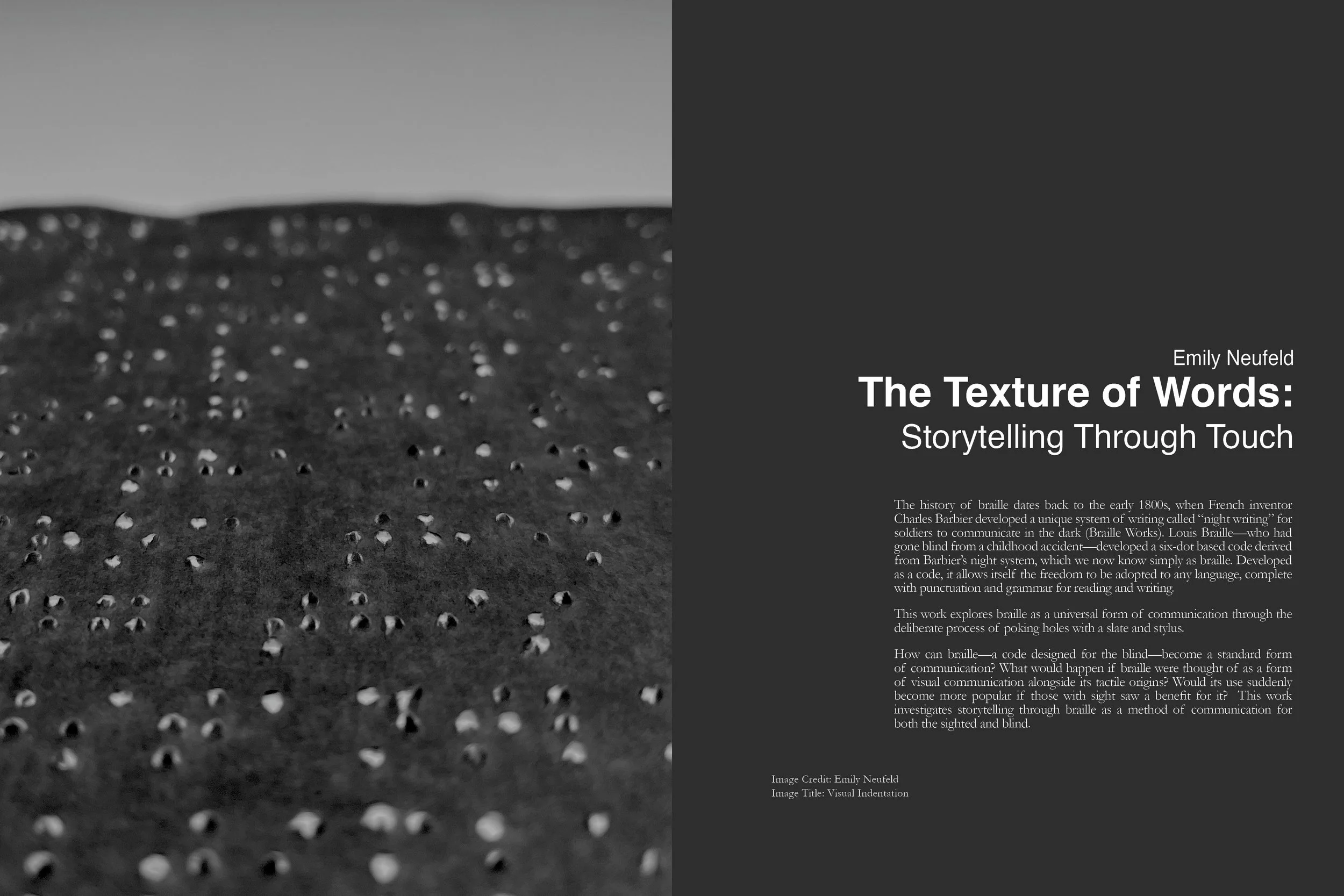
Emily Neufeld: TEXTURE OF WORDS
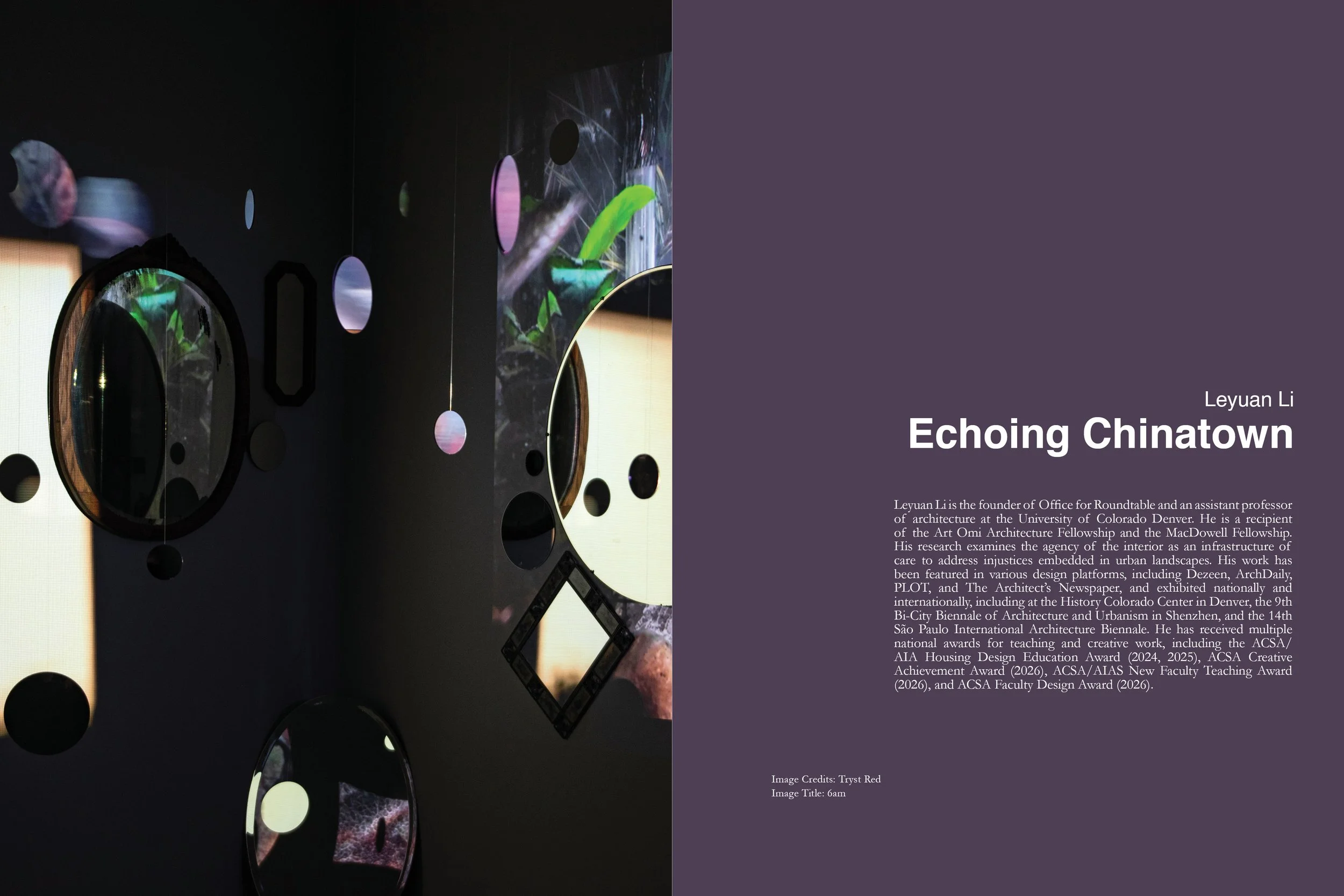
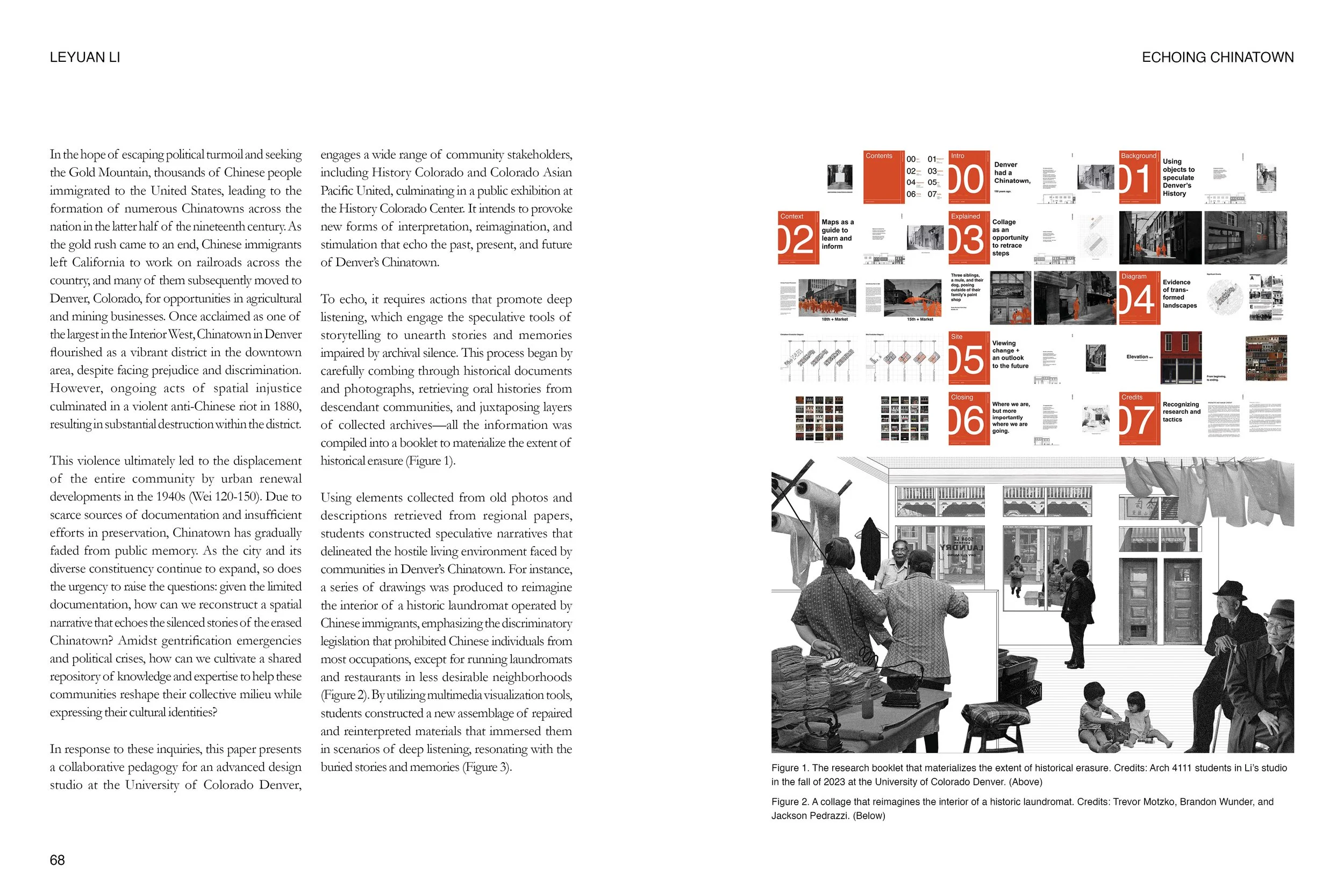
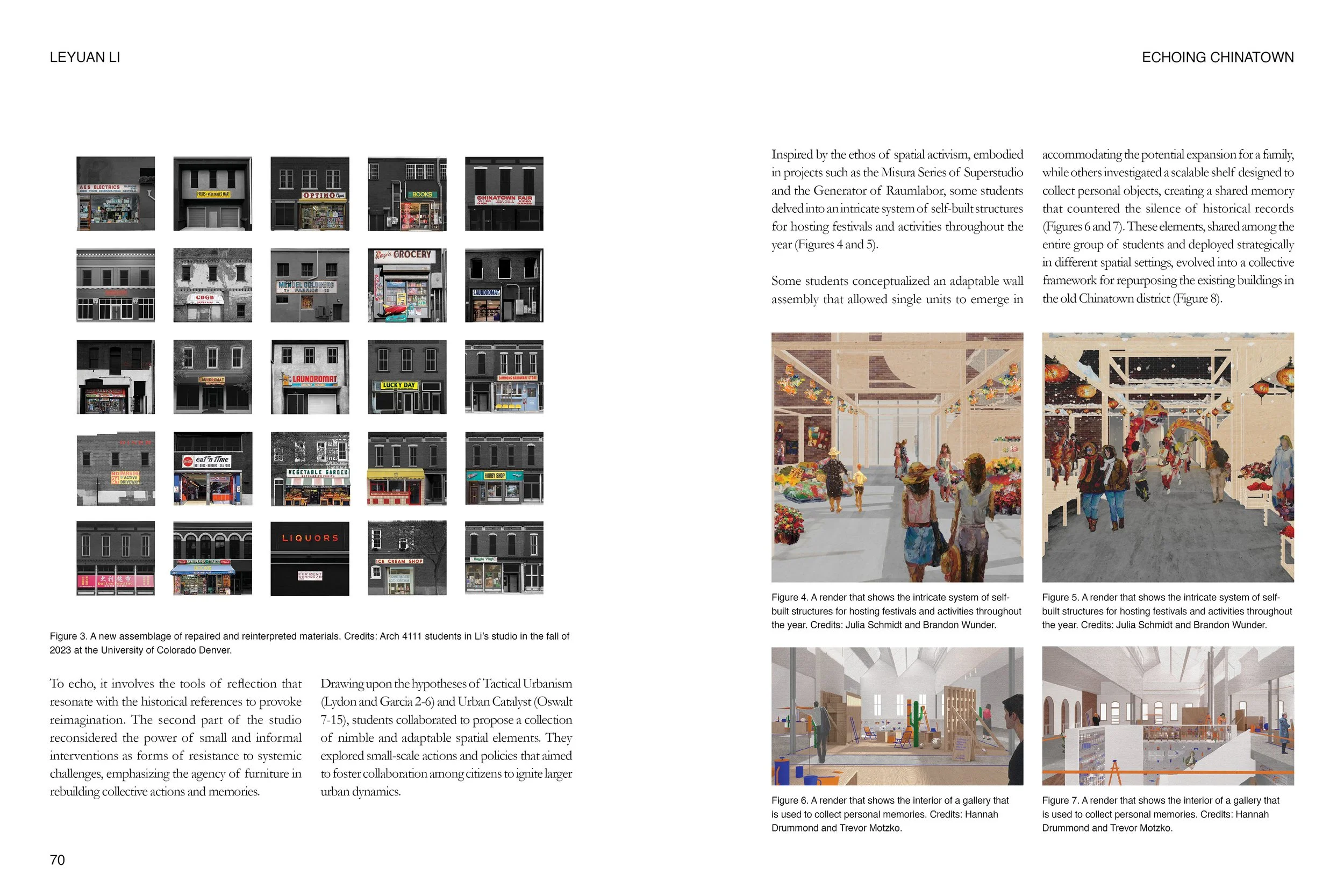
Leyuan Li: ECHOING CHINATOWN
Florencio IV Gamboa Tameta: HYBRID IDENTITIES
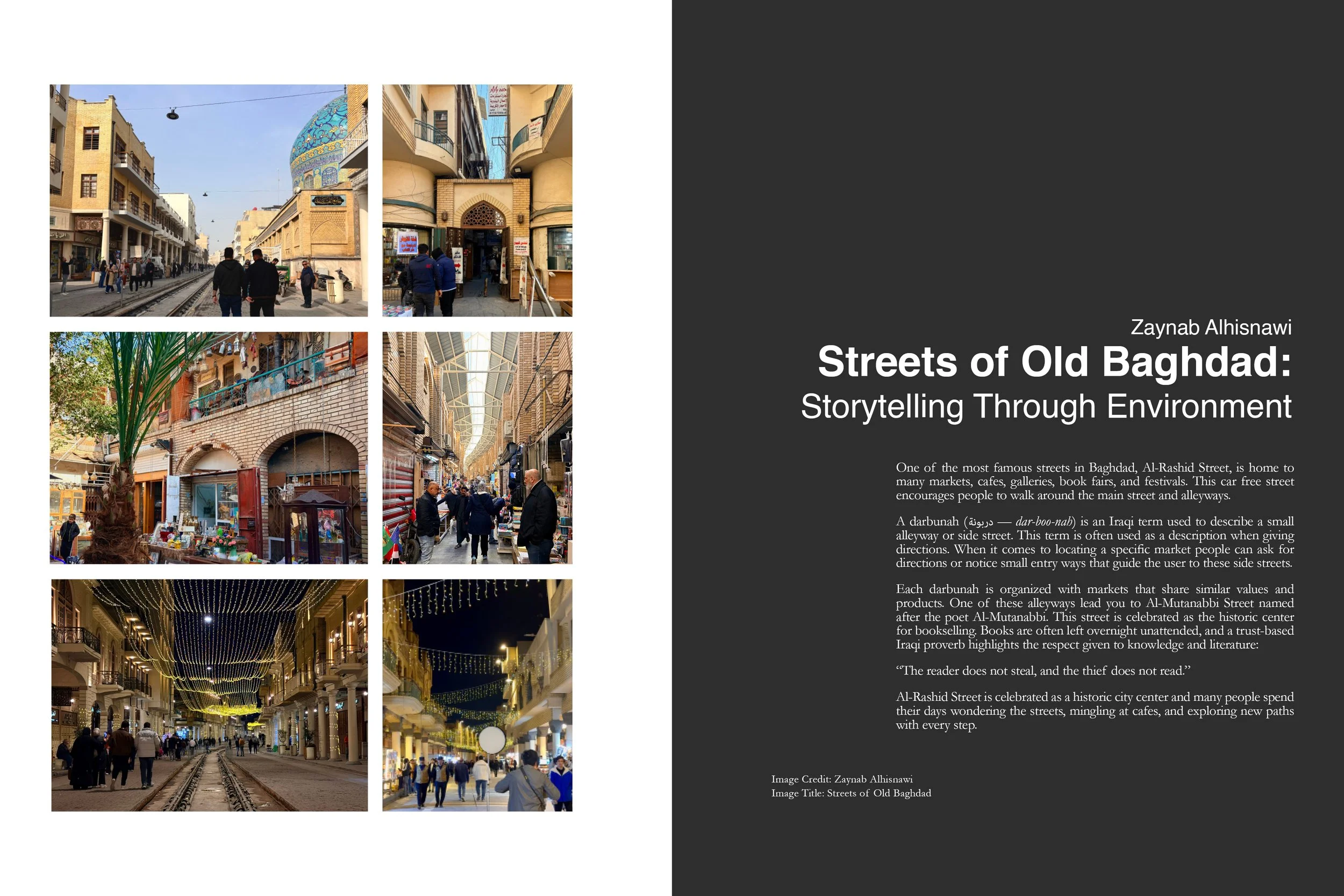
Zaynab Alhisnawi: STREETS OF OLD BAGHDAD
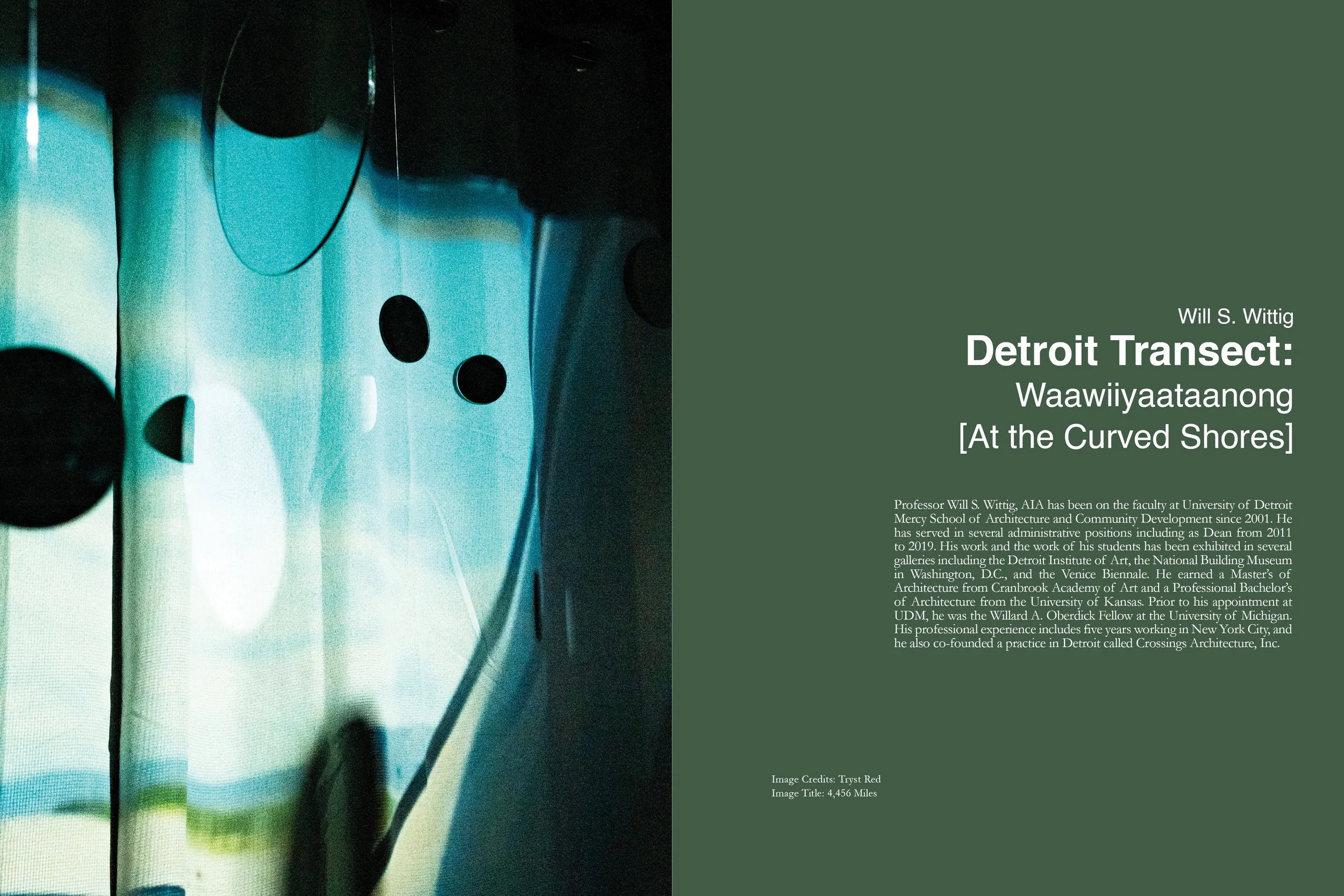
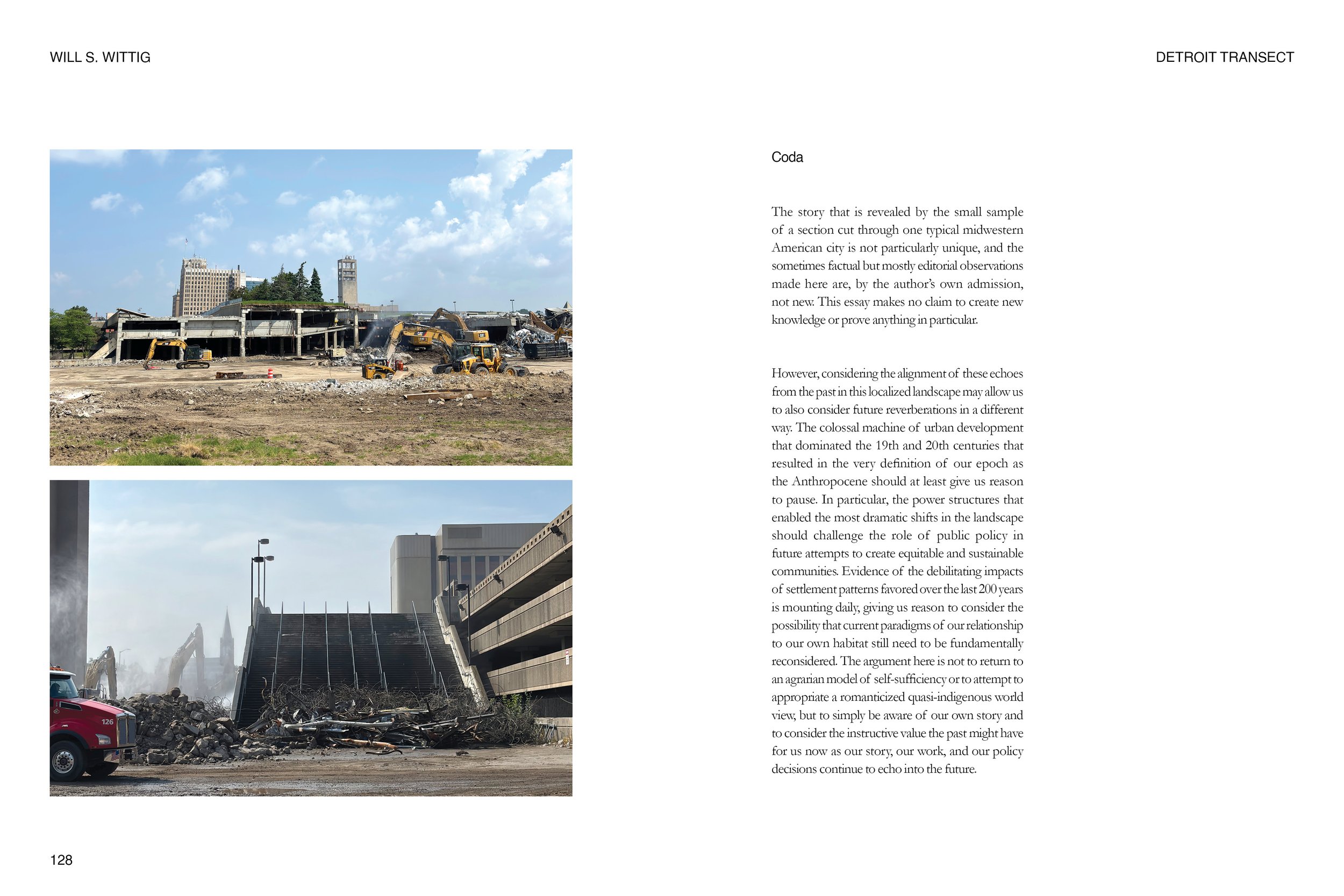
Will S. Wittig: DETROIT TRANSECT
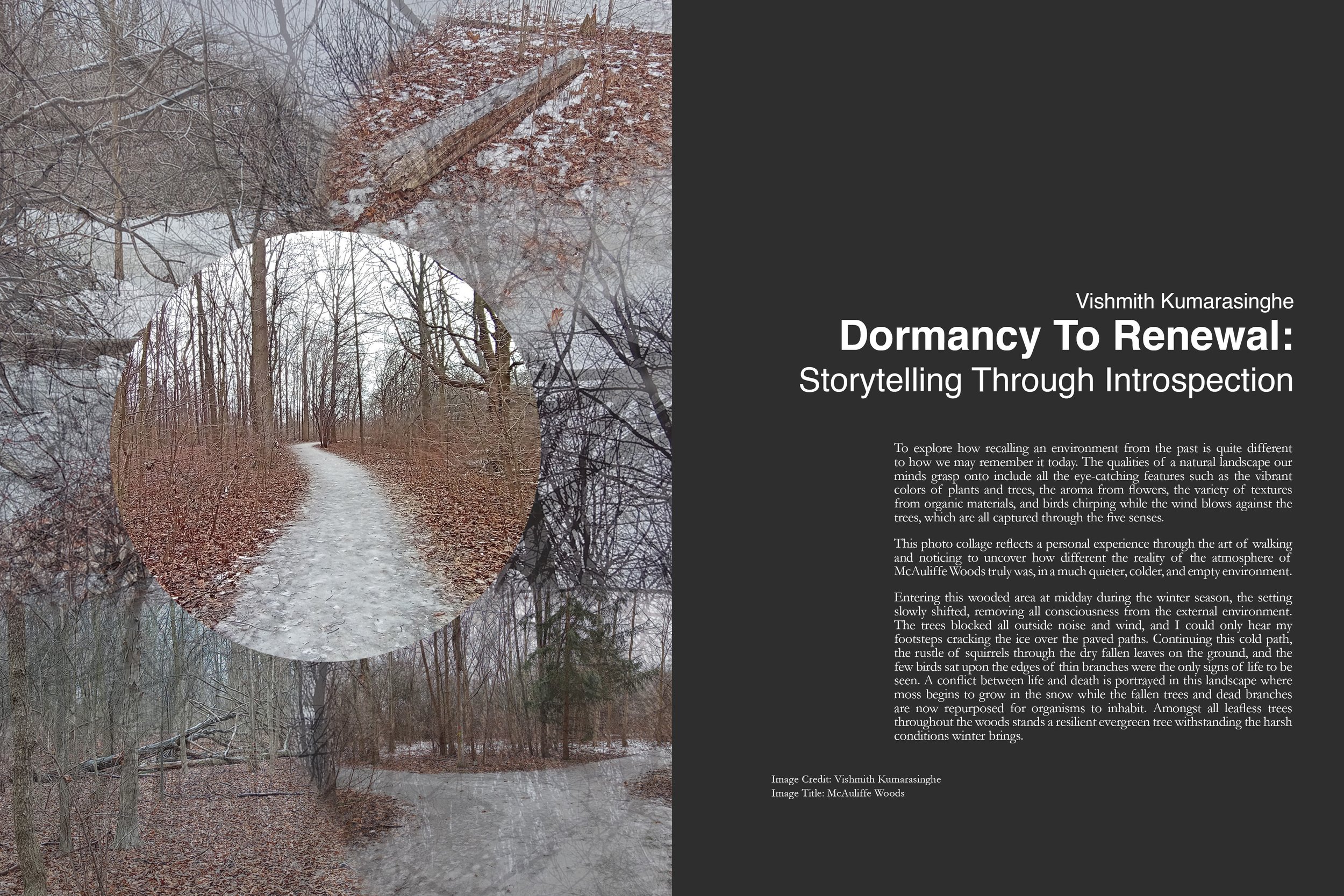
Vishmith Kumarasinghe: DORMANCY TO RENEWAL
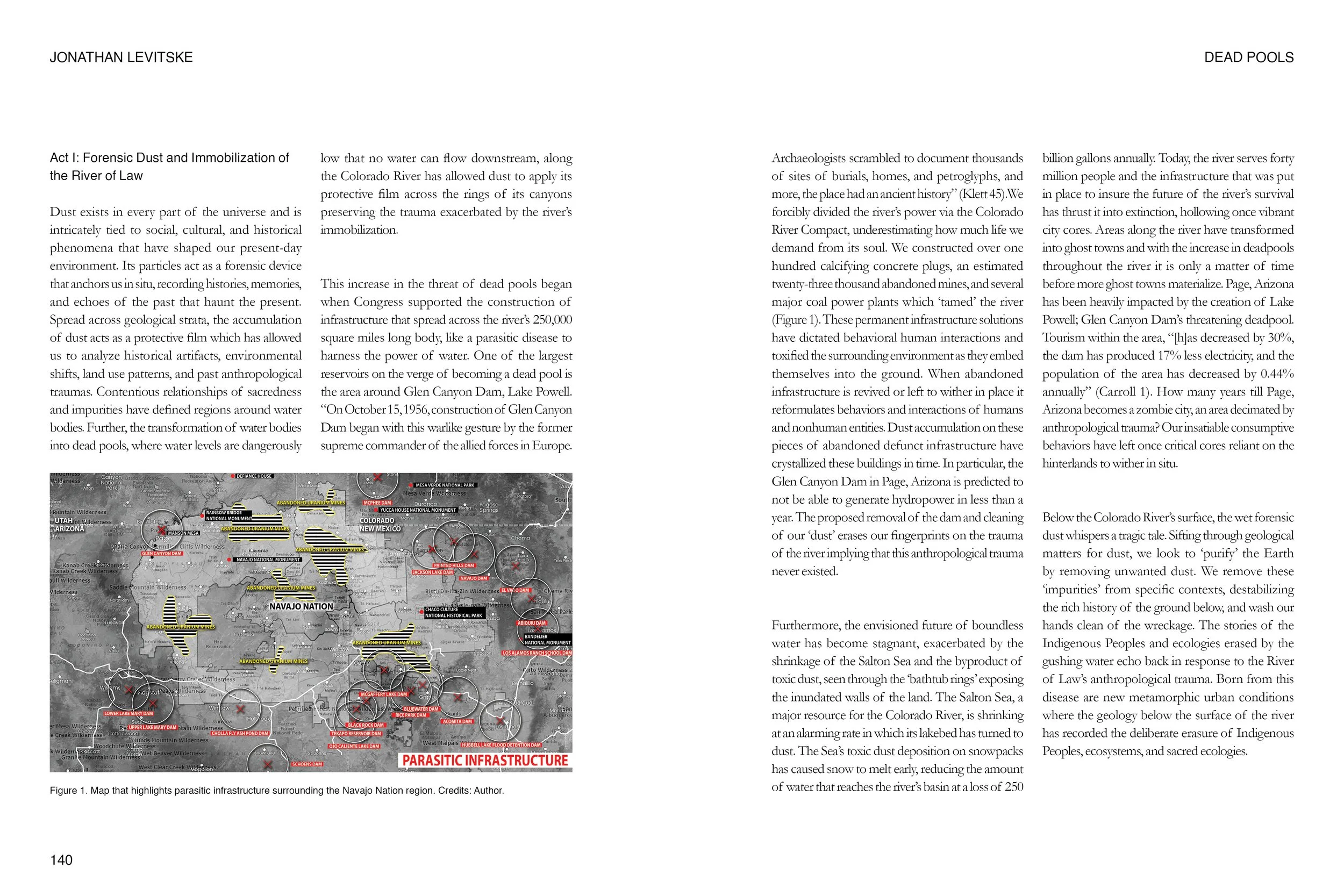
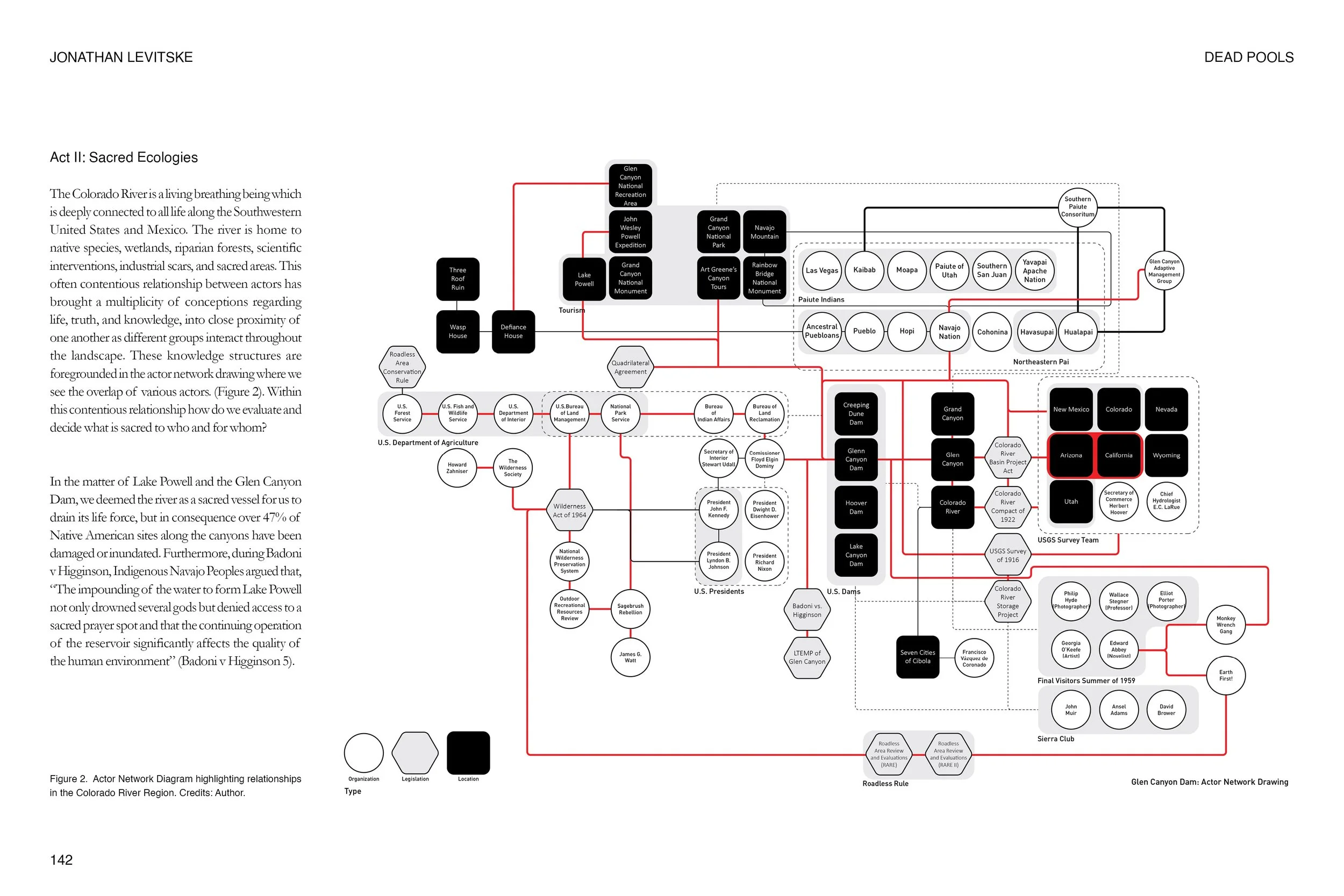
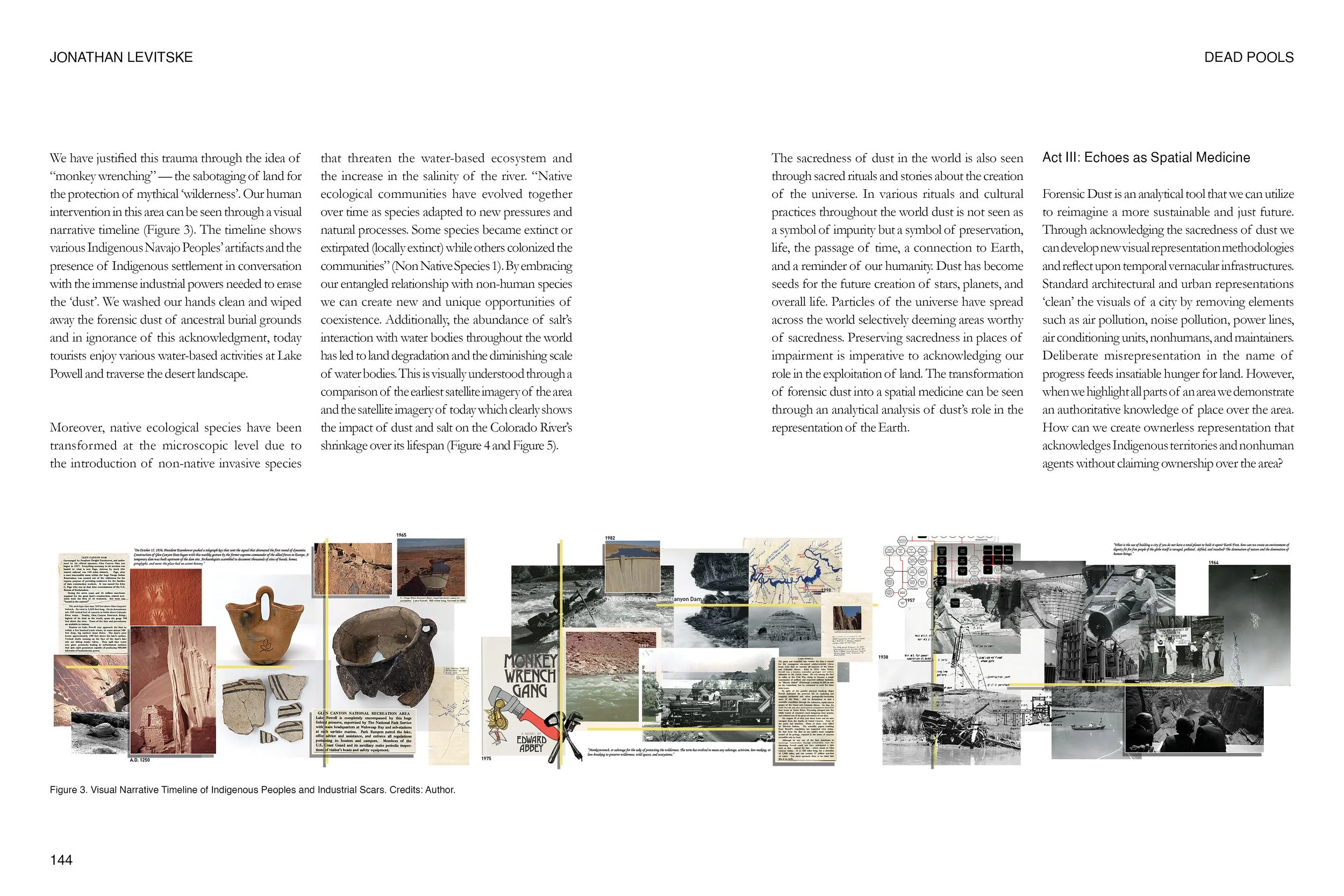
Jonathan Levitske: DEAD POOLS
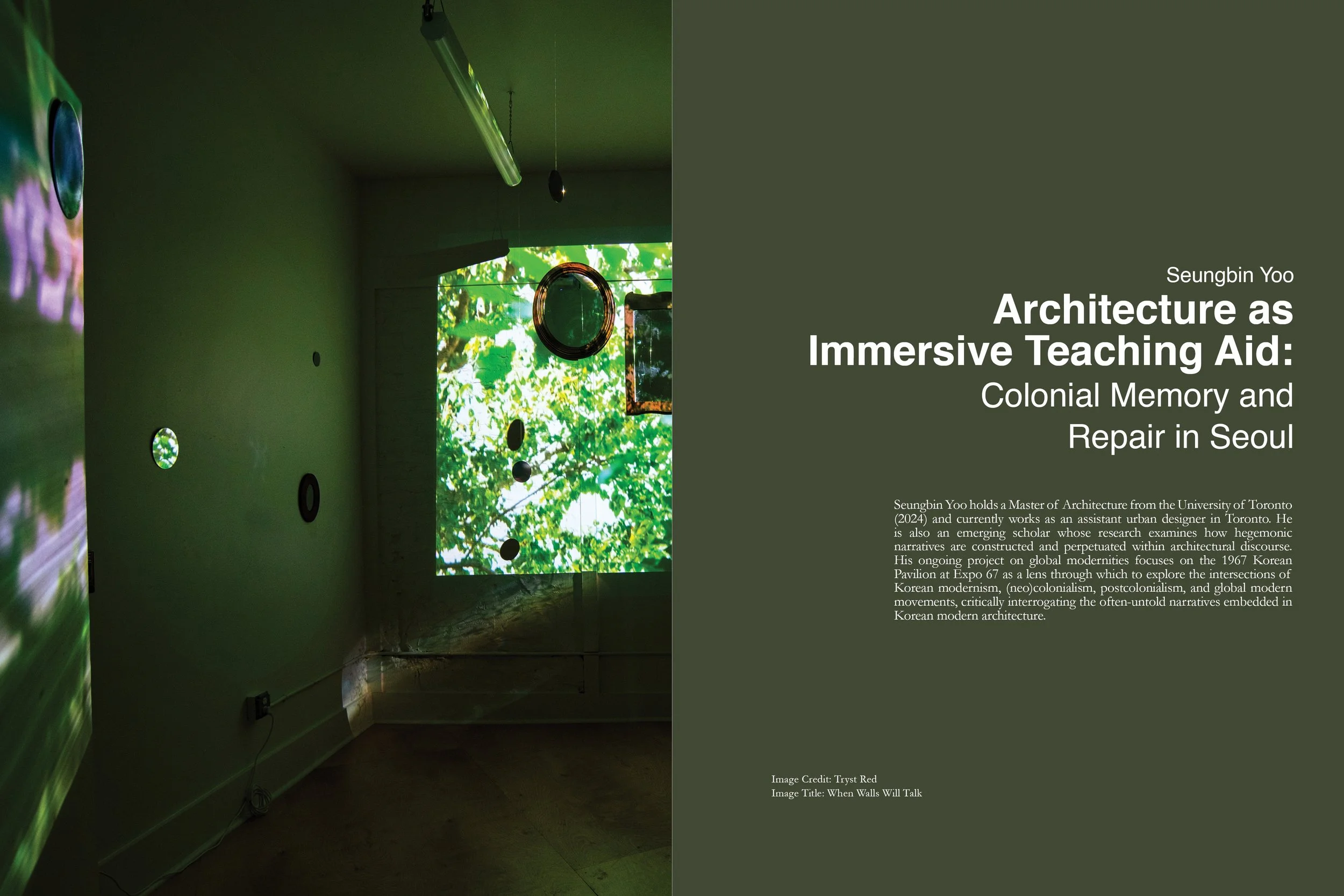
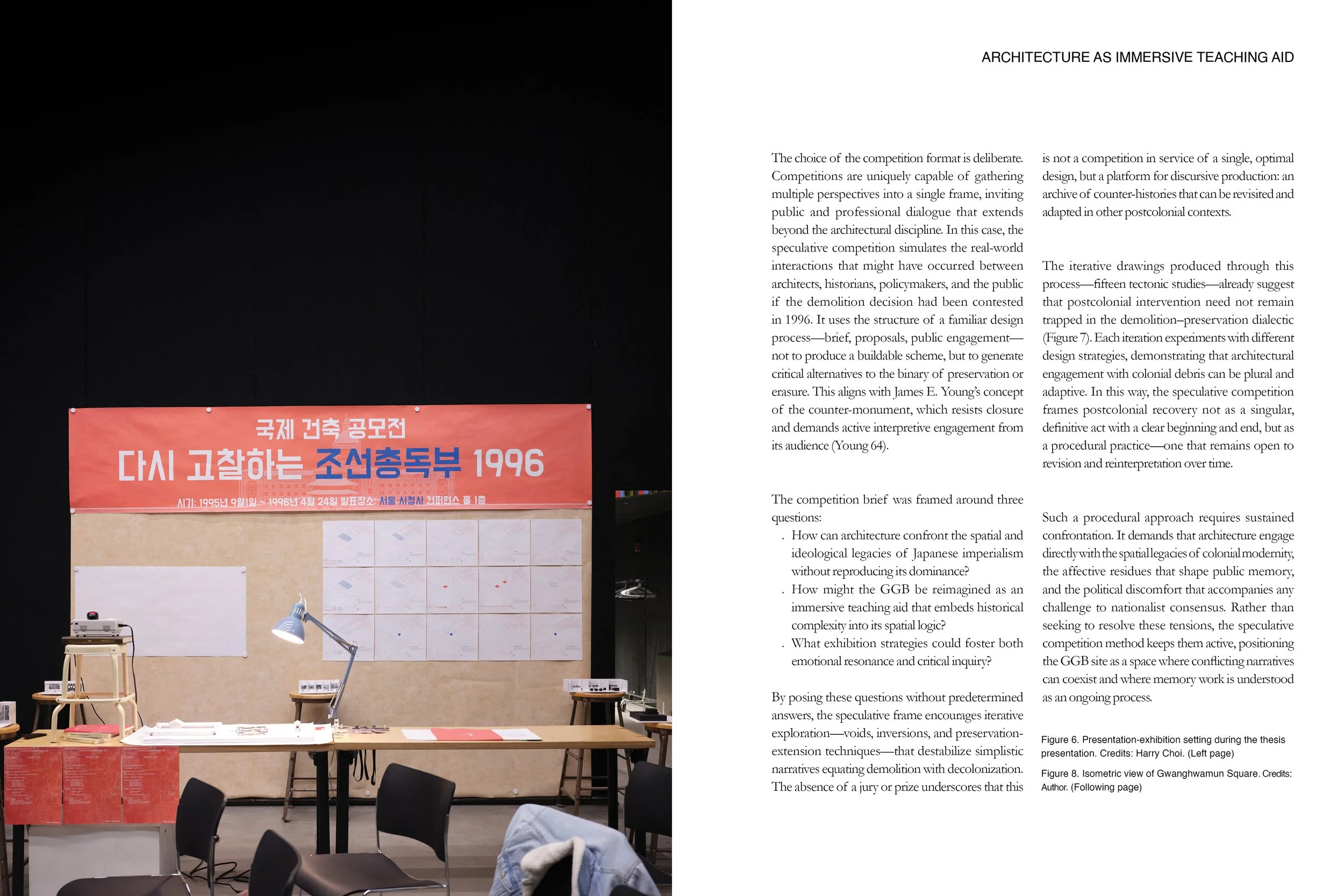
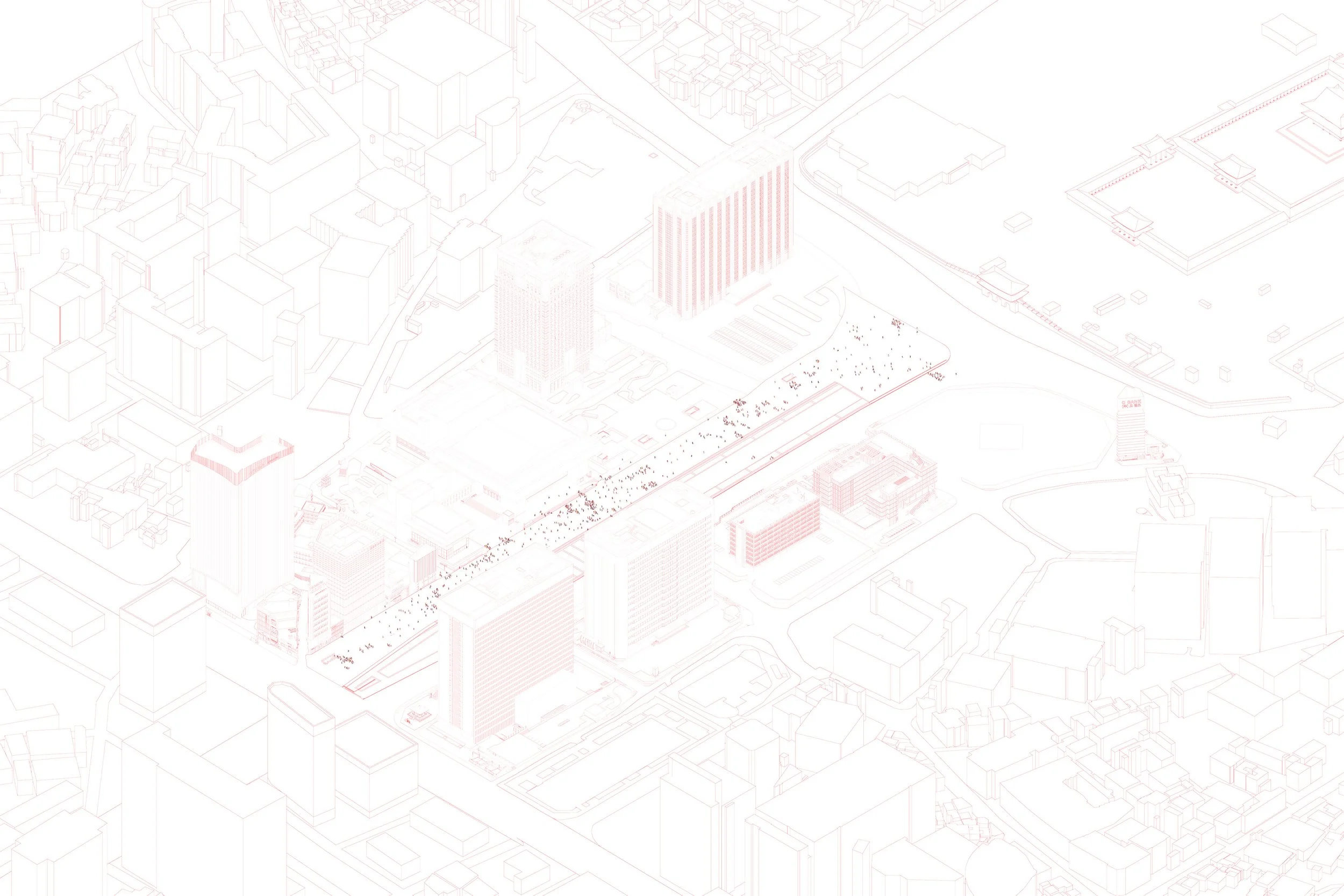
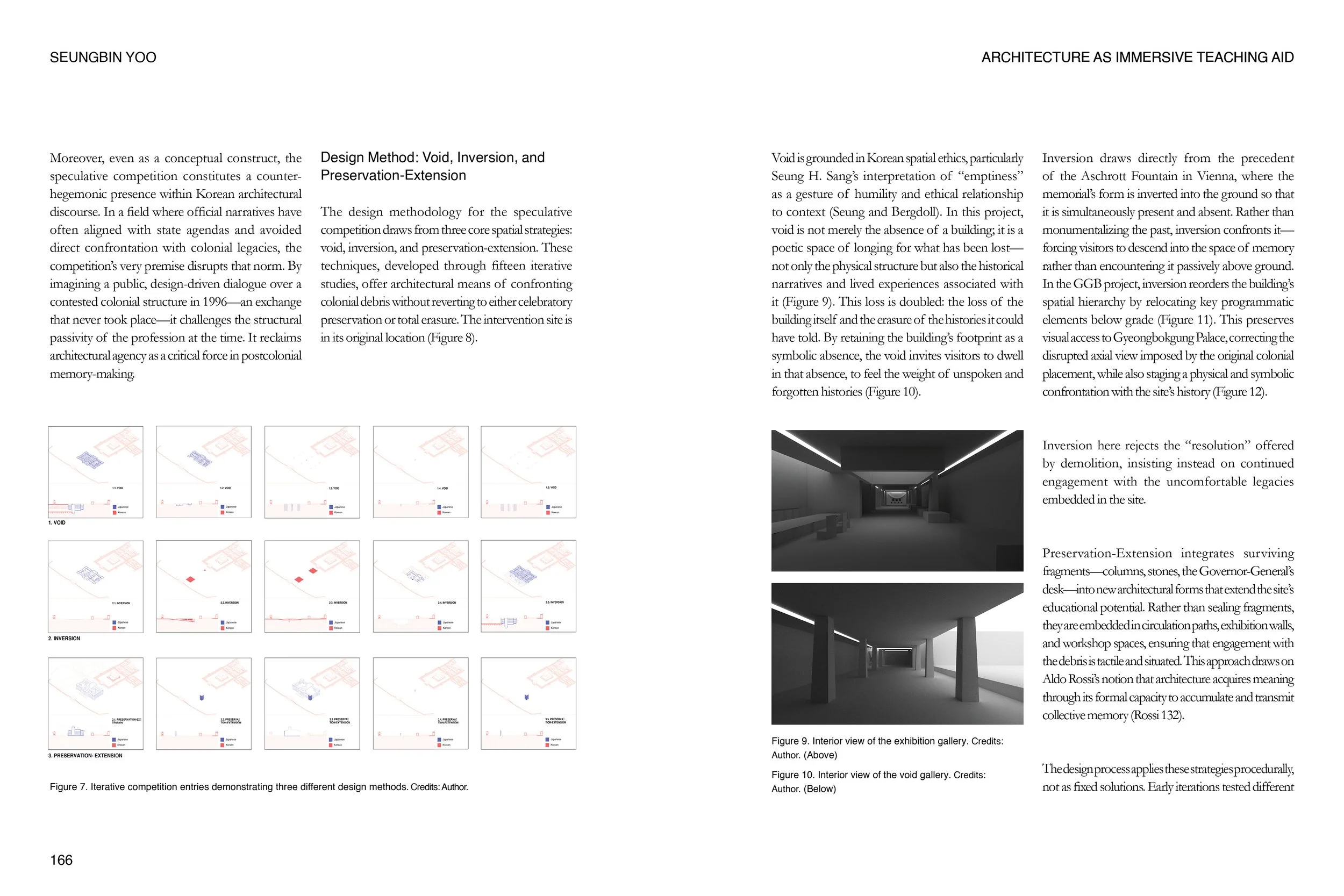
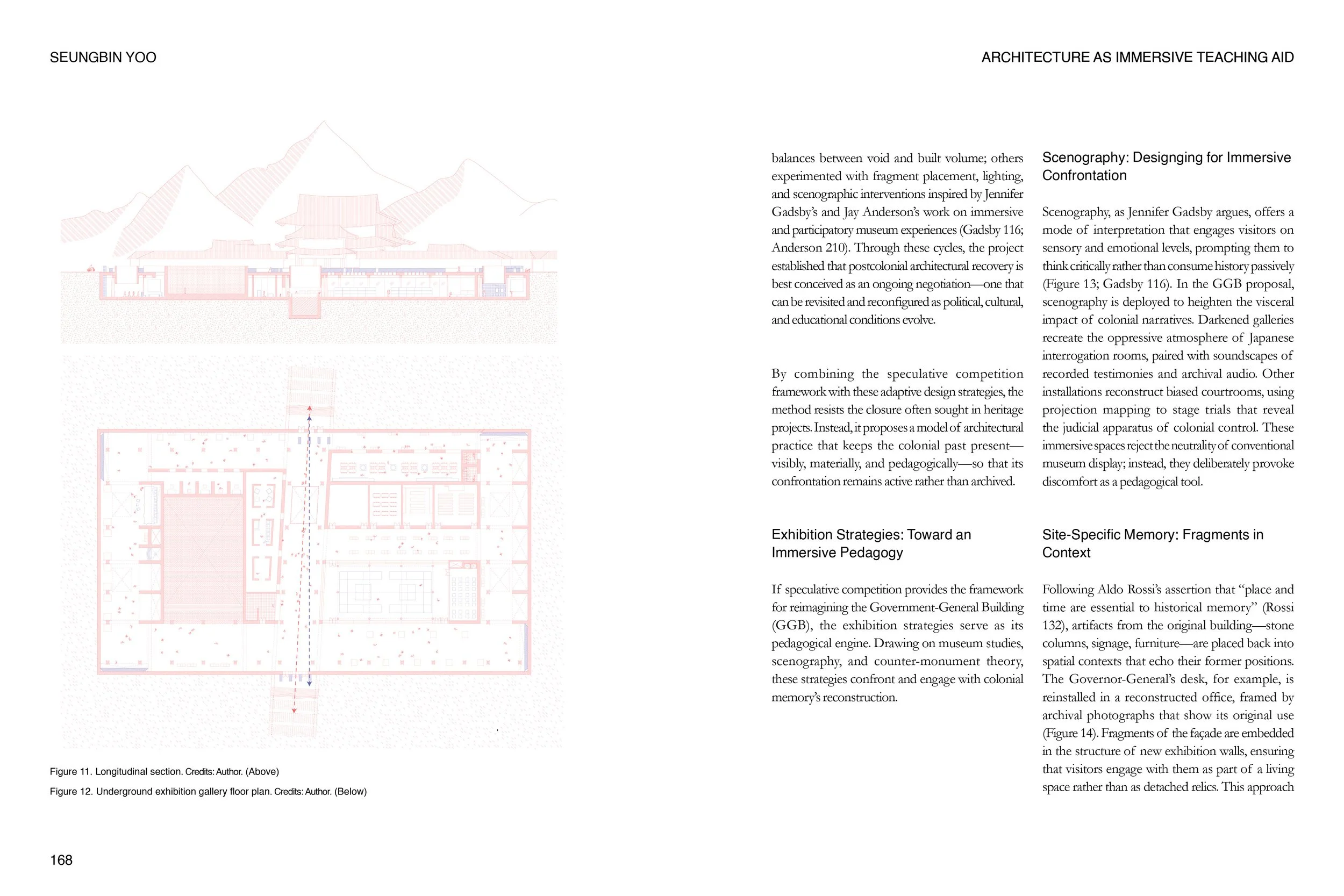
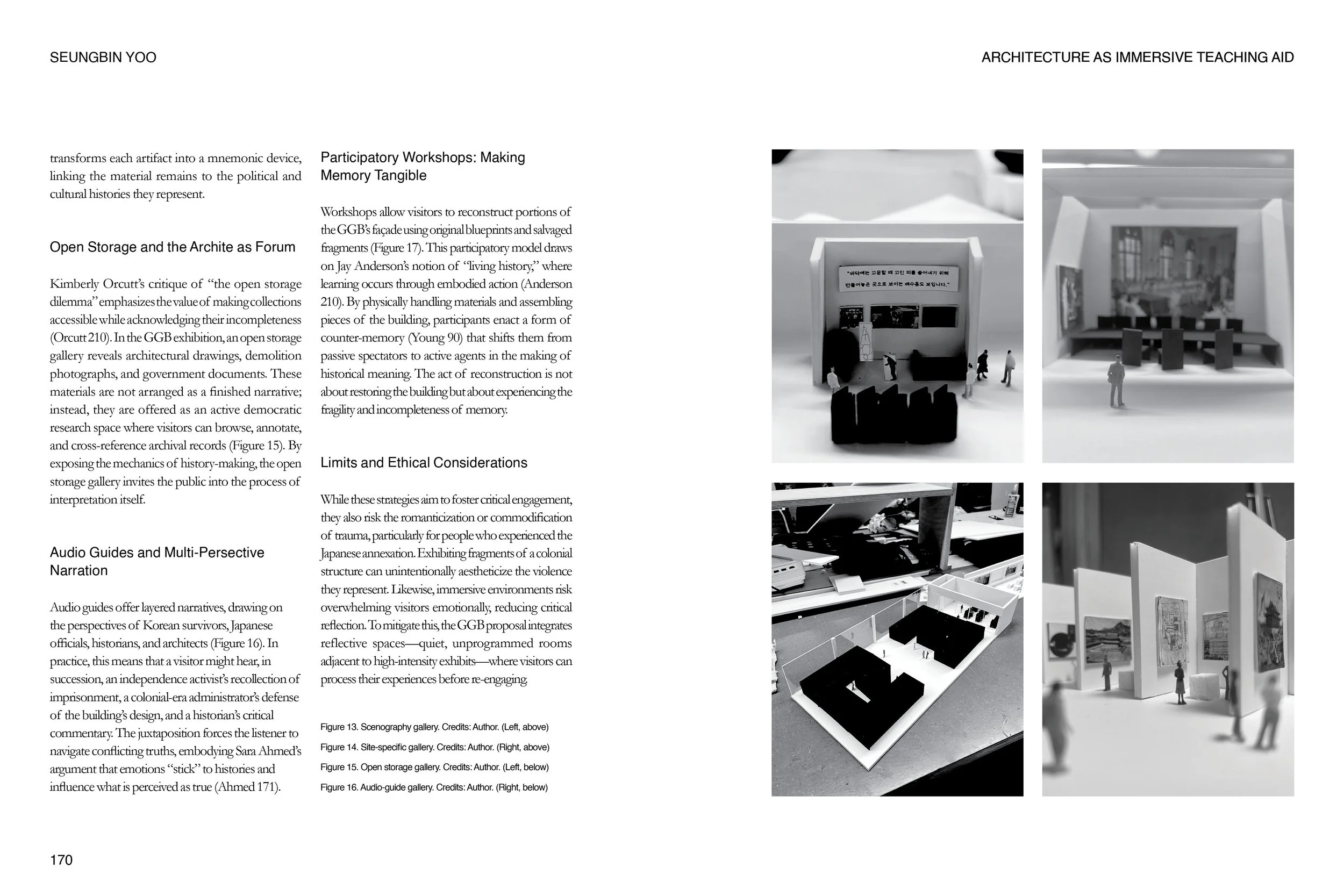
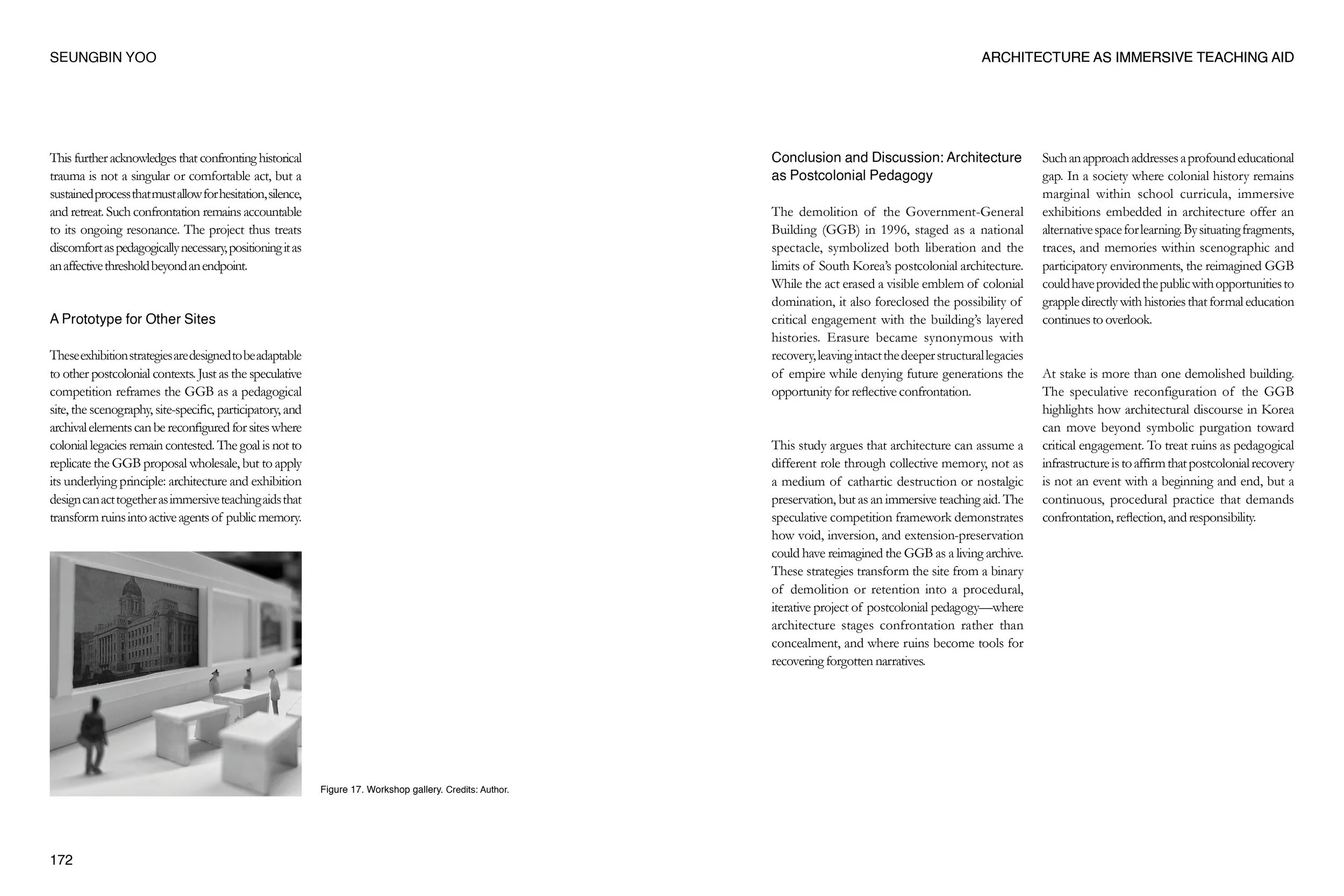
Seungbin Yoo: ARCHITECTURE AS IMMERSIVE TEACHING AID
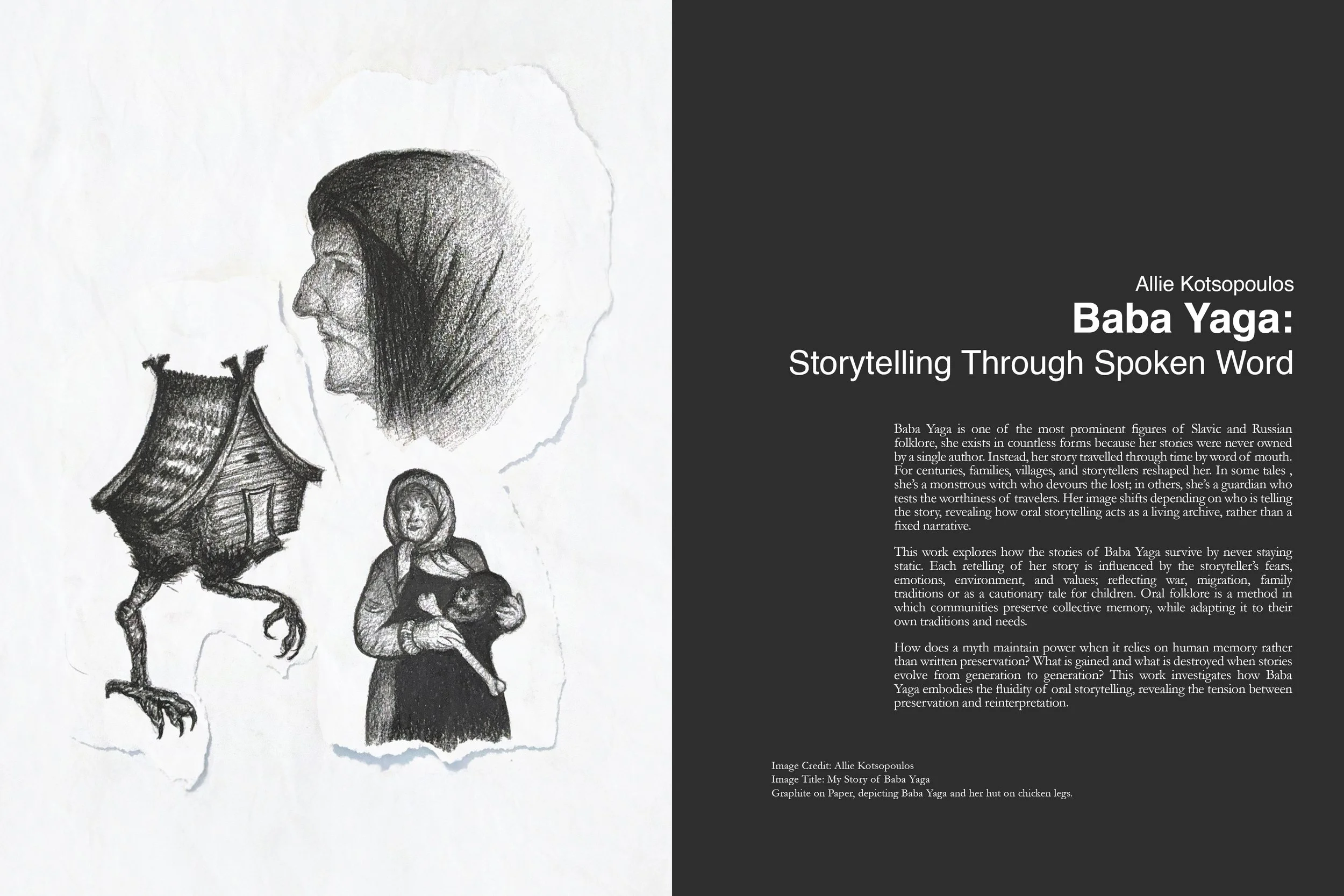
Allie Kotsopoulos: BABA YAGA
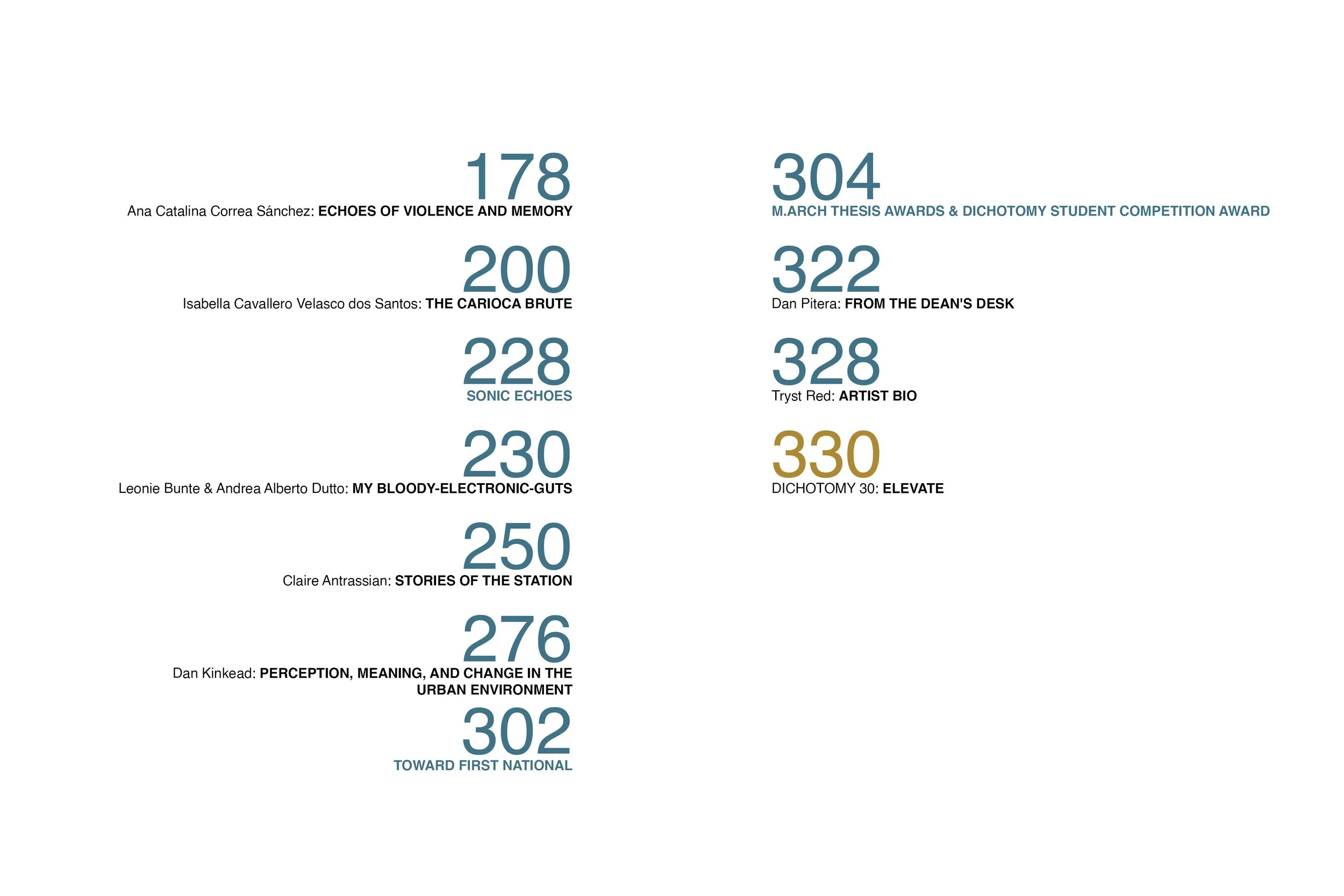
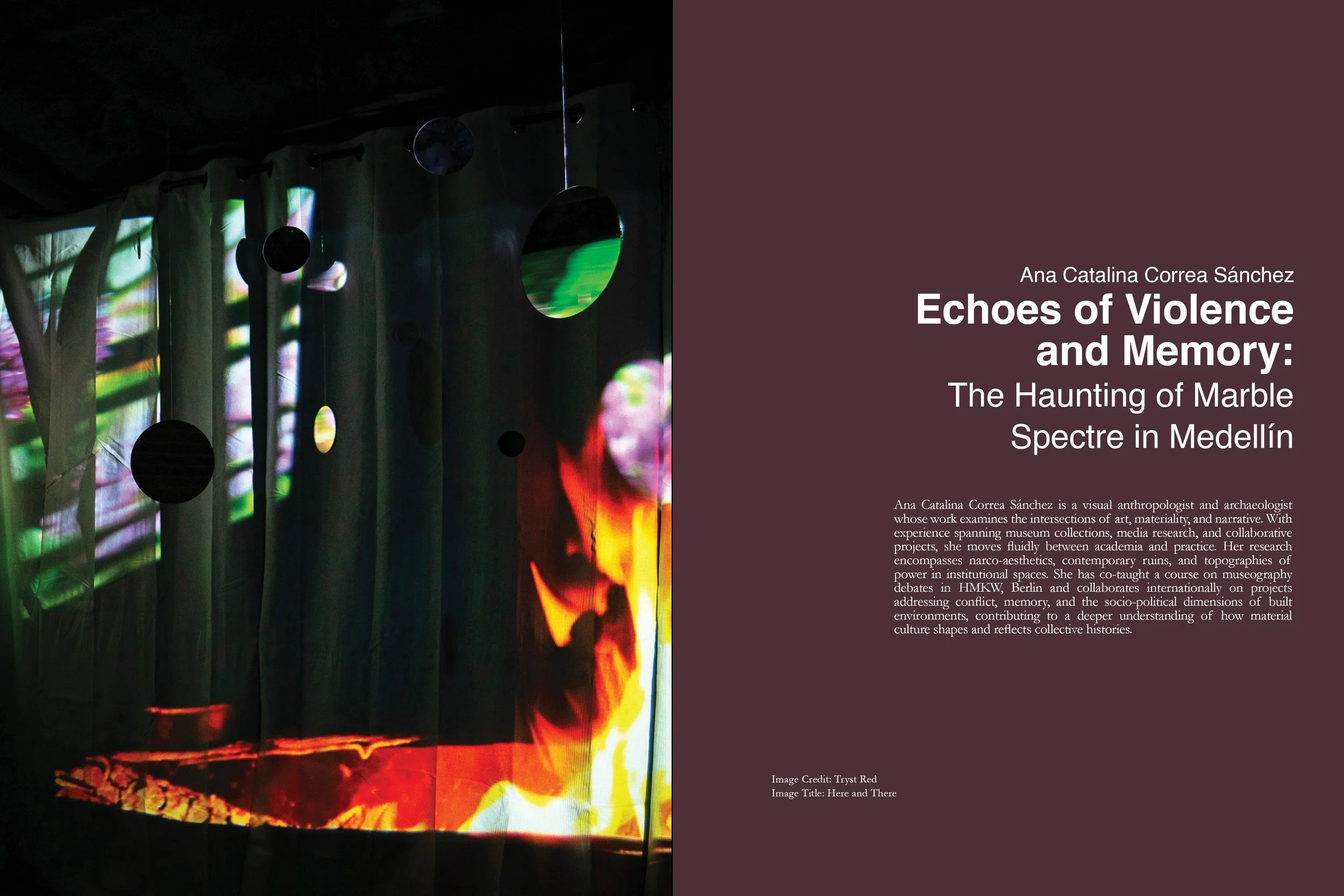
Ana Catalina Correa Sánchez: ECHOES OF VIOLENCE AND MEMORY
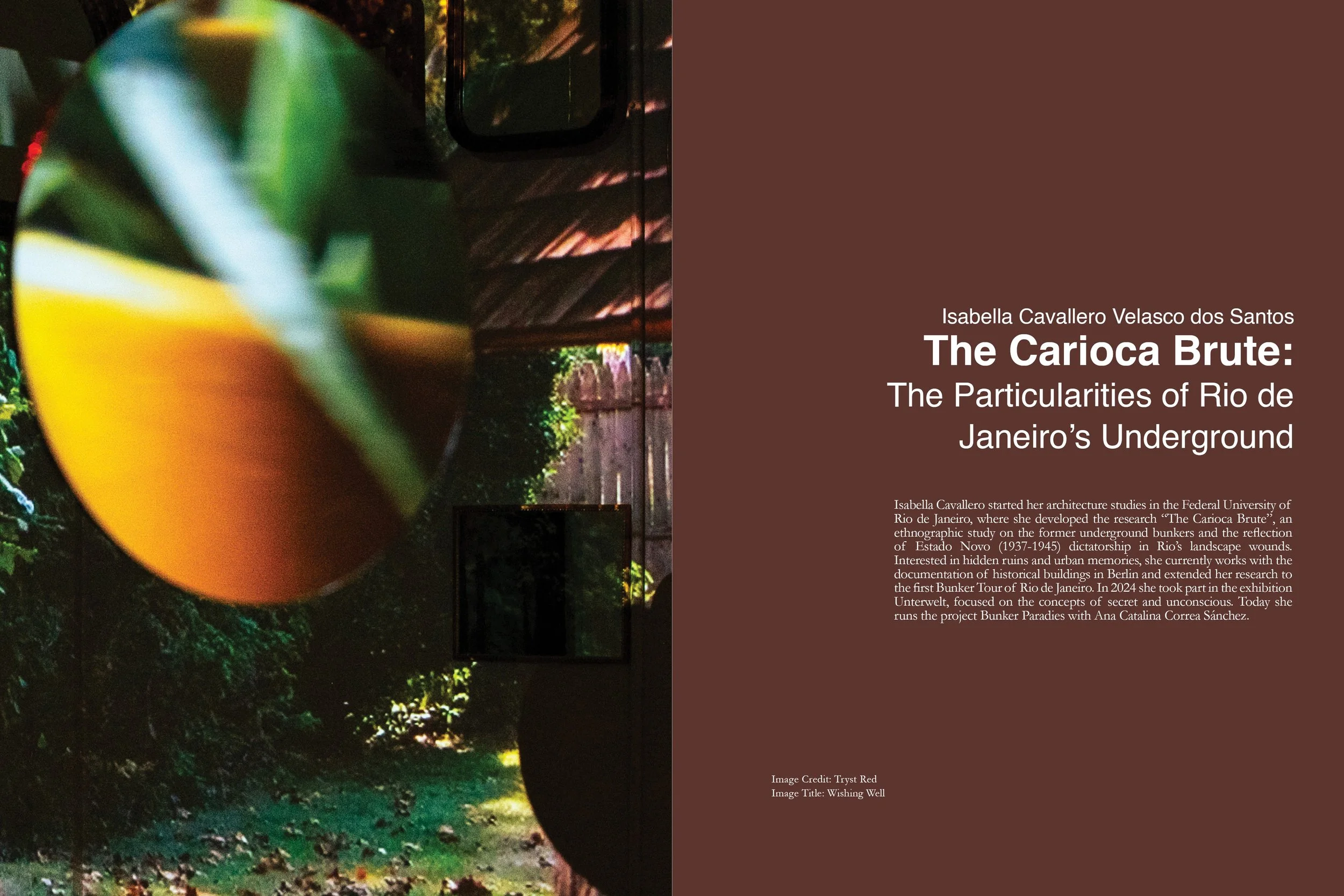
Isabella Cavallero Velasco dos Santos: THE CARIOCA BRUTE
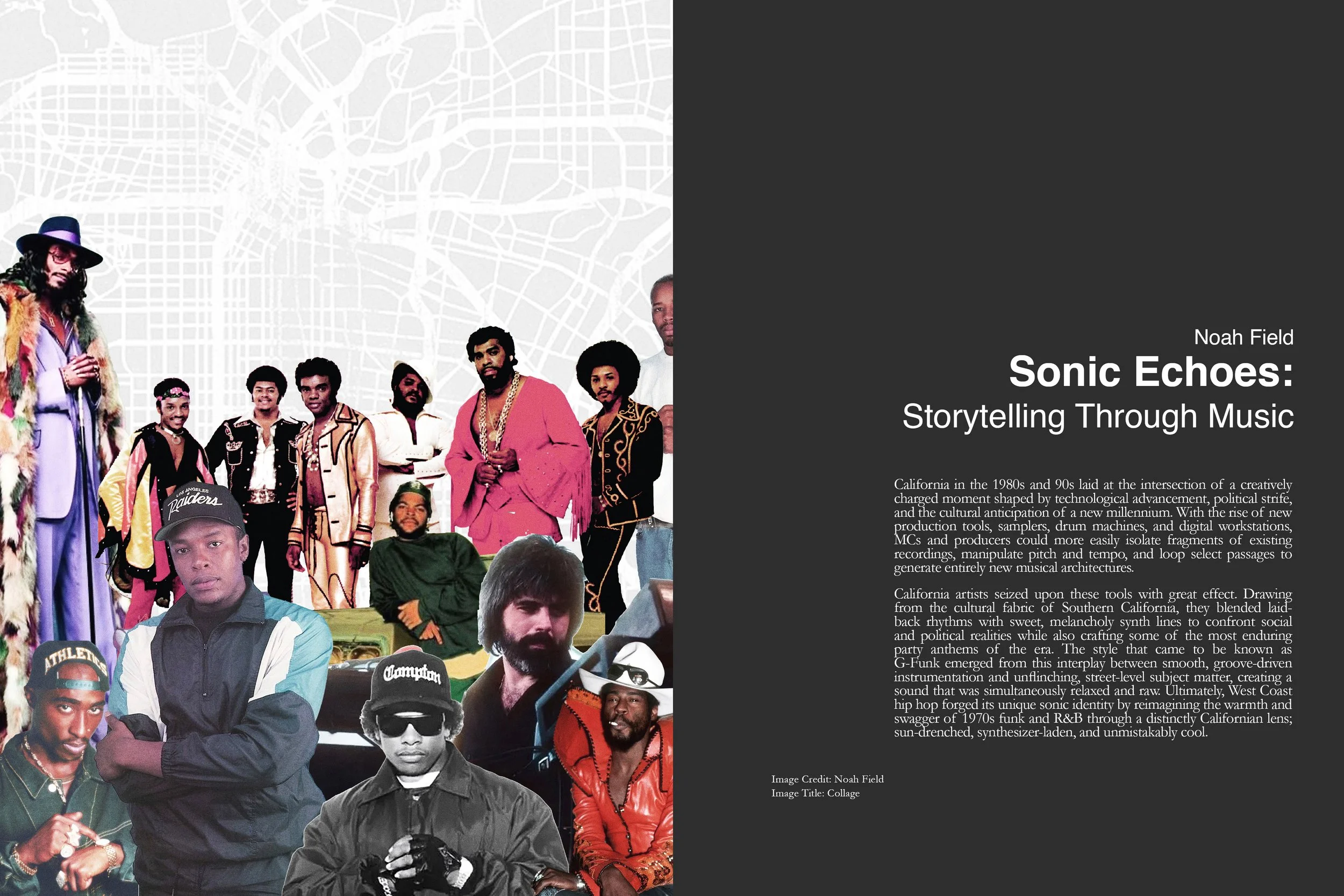
Noah Field: SONIC ECHOES
Leonie Bunte and Andrea Alberto Dutto: MY BLOODY-ELECTRONIC-GUTS
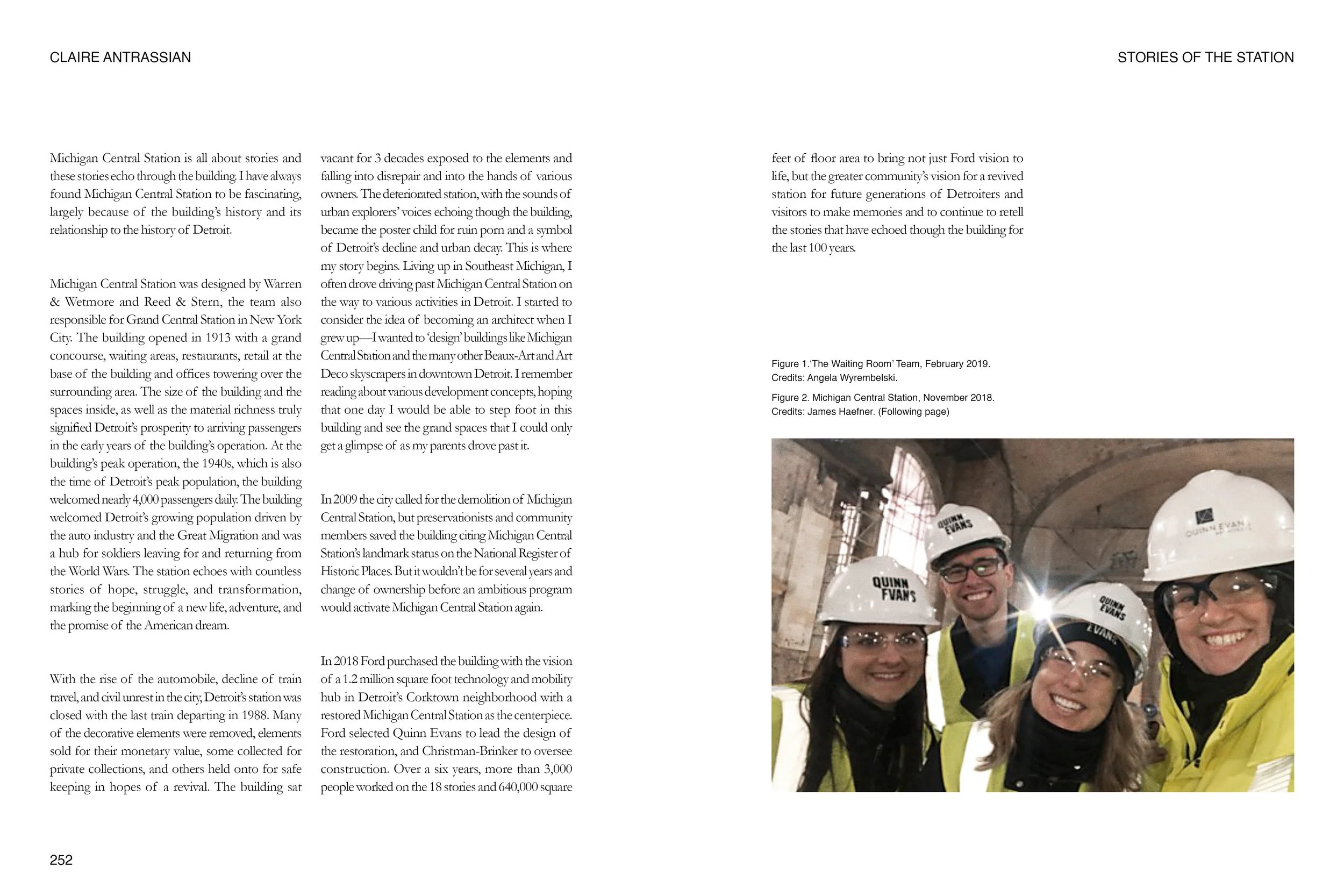
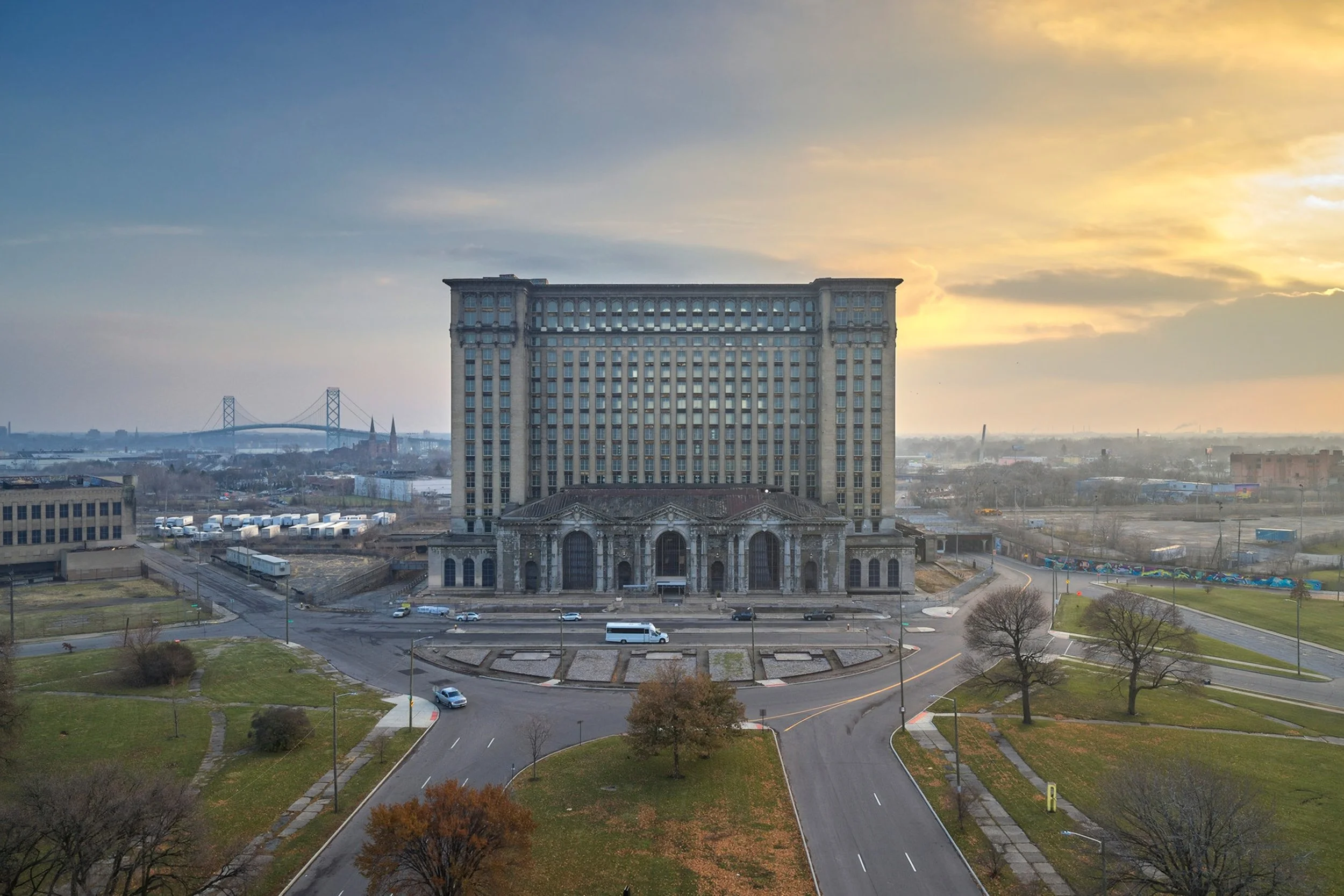
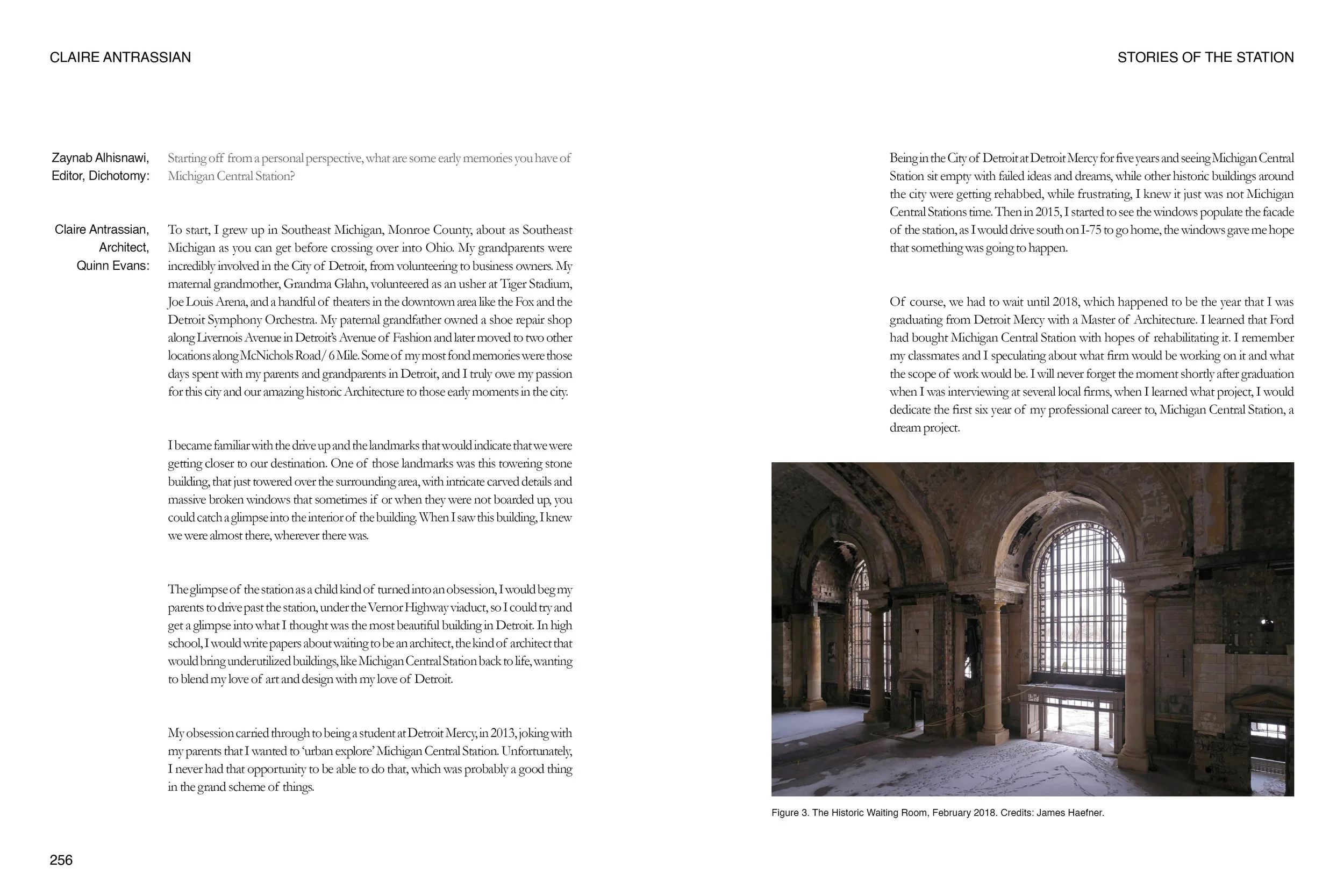
Claire Antrassian: STORIES OF THE STATION
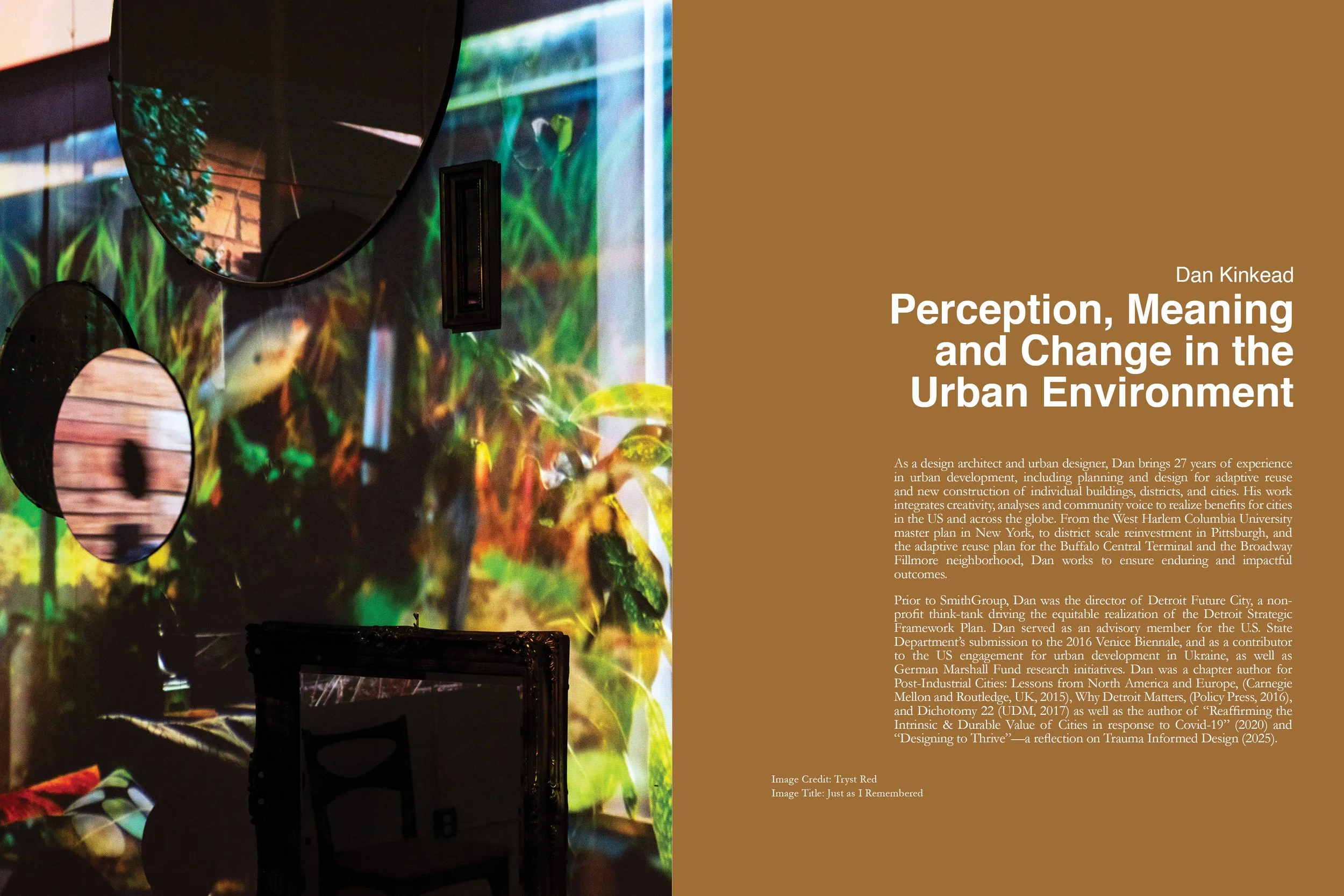
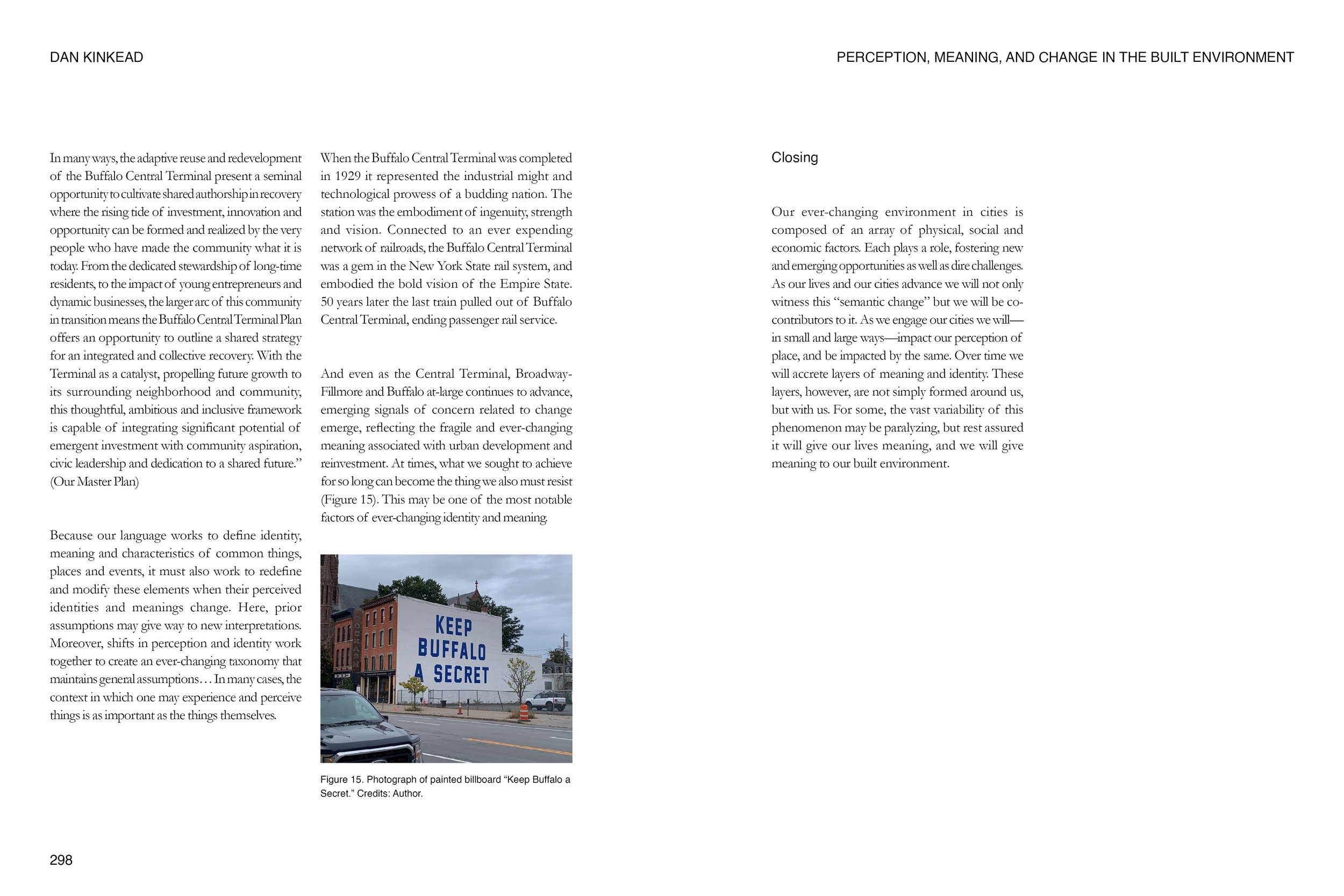
Dan Kinkead: PERCEPTION, MEANING, AND CHANGE IN THE URBAN ENVIRONMENT
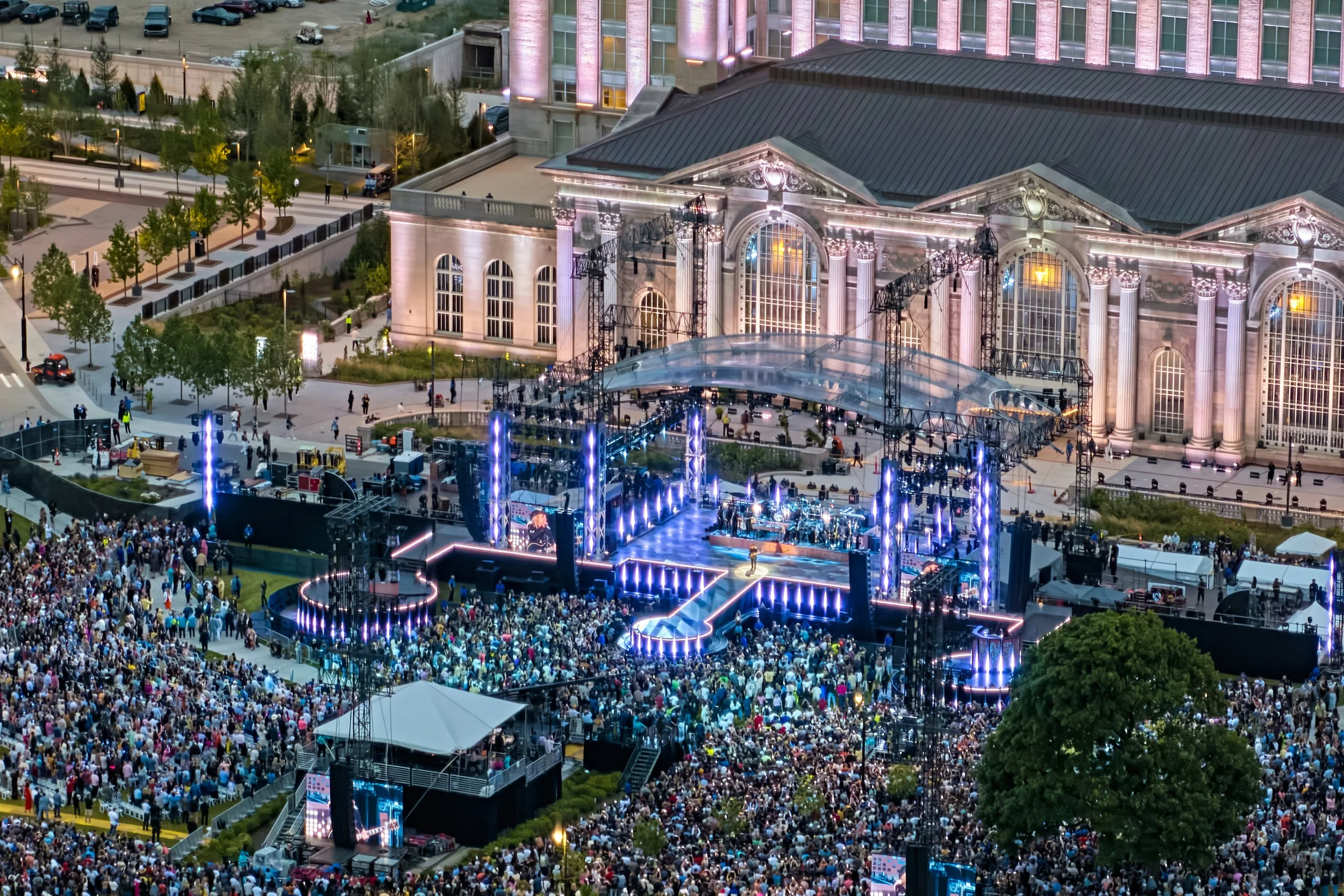
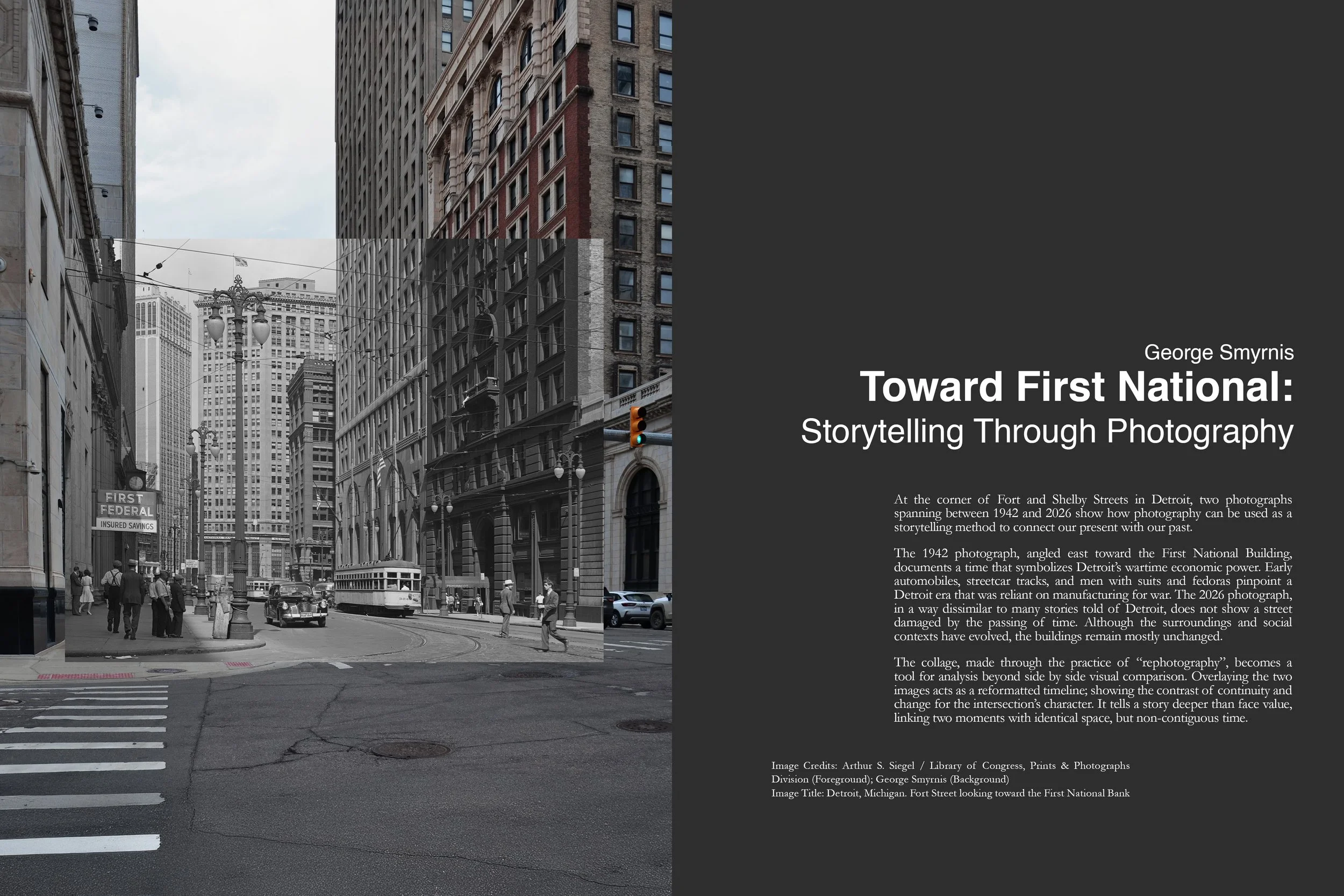
George Smyrnis: TOWARD FIRST NATIONAL
STUDENT WORK
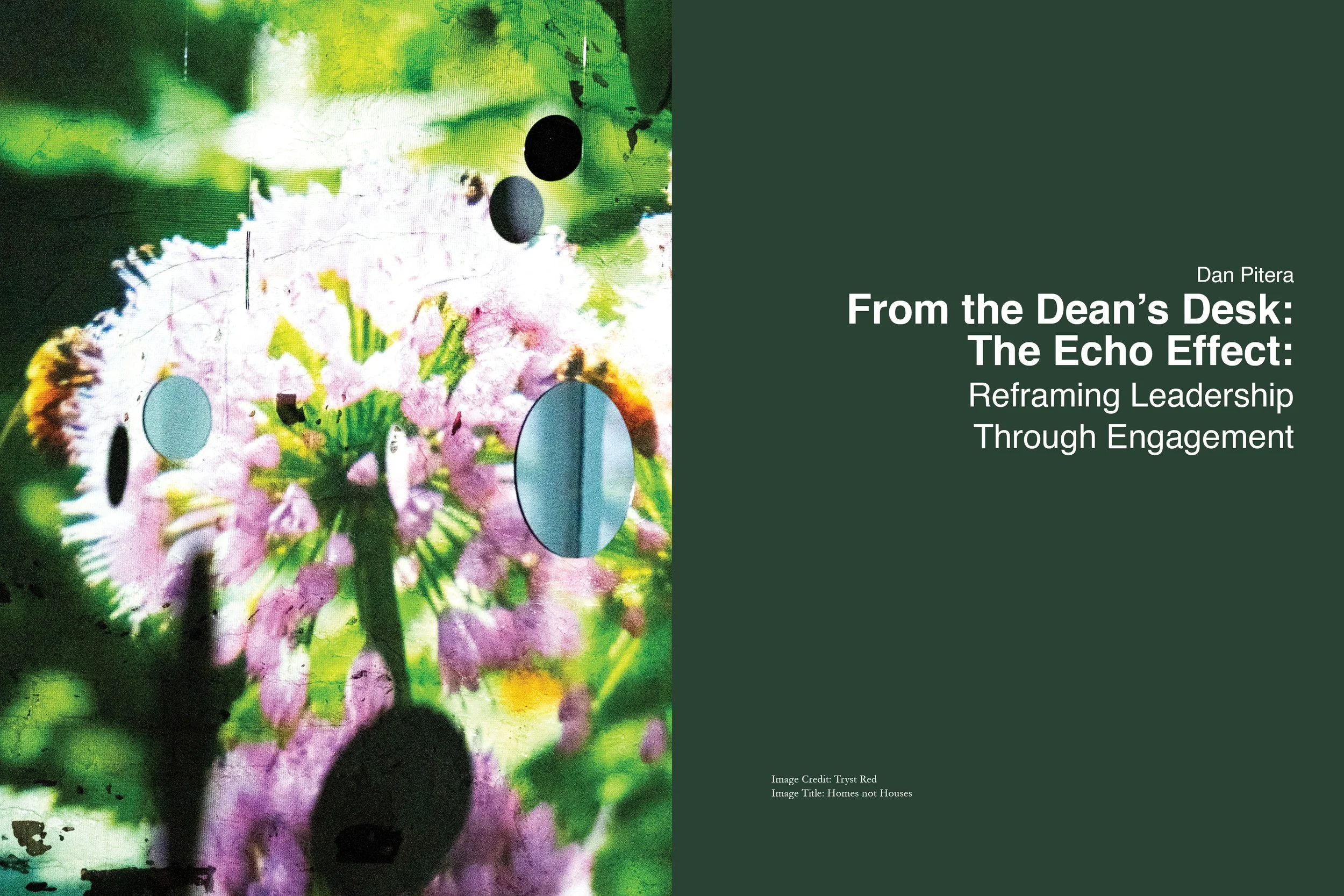
Dan Pitera: FROM THE DEAN’S DESK
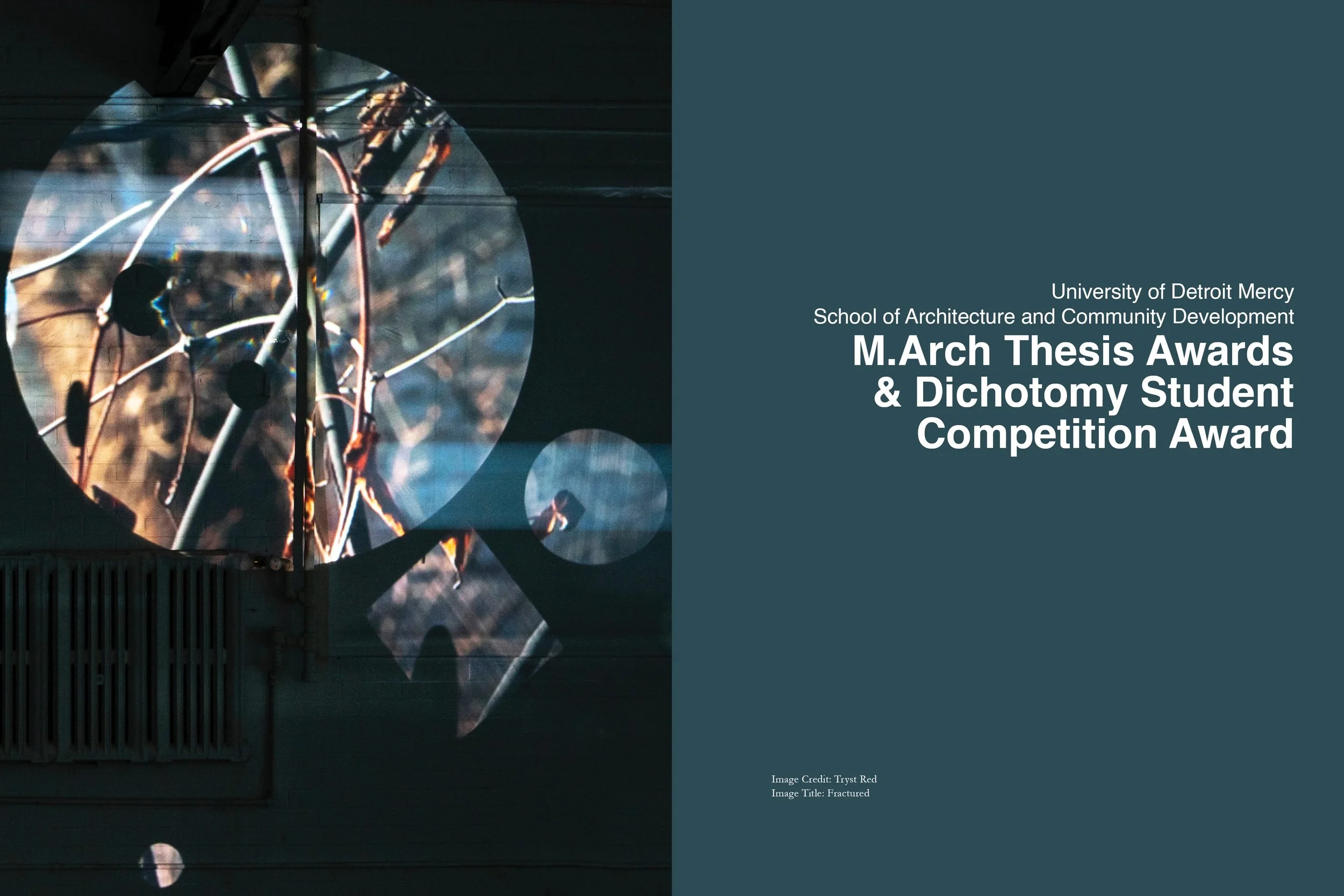
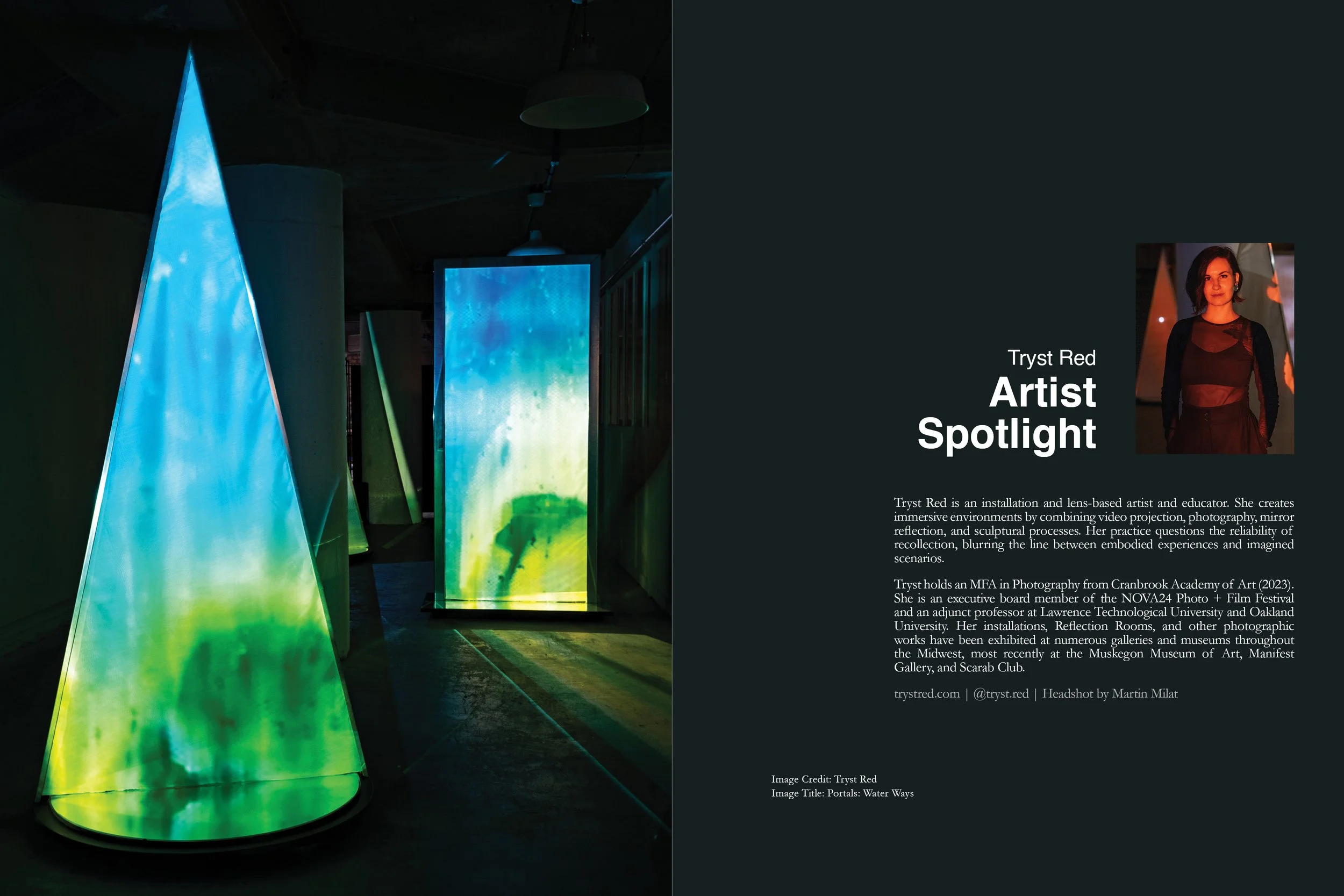
Tryst Red: ARTIST BIO
This issue of Dichotomy demonstrates that the theme of “ECHO” provides an alternative framework of temporality—sequential, dynamic, continuous, cyclical— that breaks away from the linear paradigm of the past, present, and future. Pausing on these moments of encounter, however, emphasizes some of the lingering questions that relate not only to this issue of Dichotomy but also to history in general: Which echoes do we hear when we “listen” to the built environment? How do we hear the silent echoes in the absence of material traces? Whose voices are heard in these echoes? Where do we stand and how do we listen when the room shrinks, the sound reverberates, and the sound waves all collapse onto each other?
Excerpts from the ECHO Opening Note by Dicle Taskin.
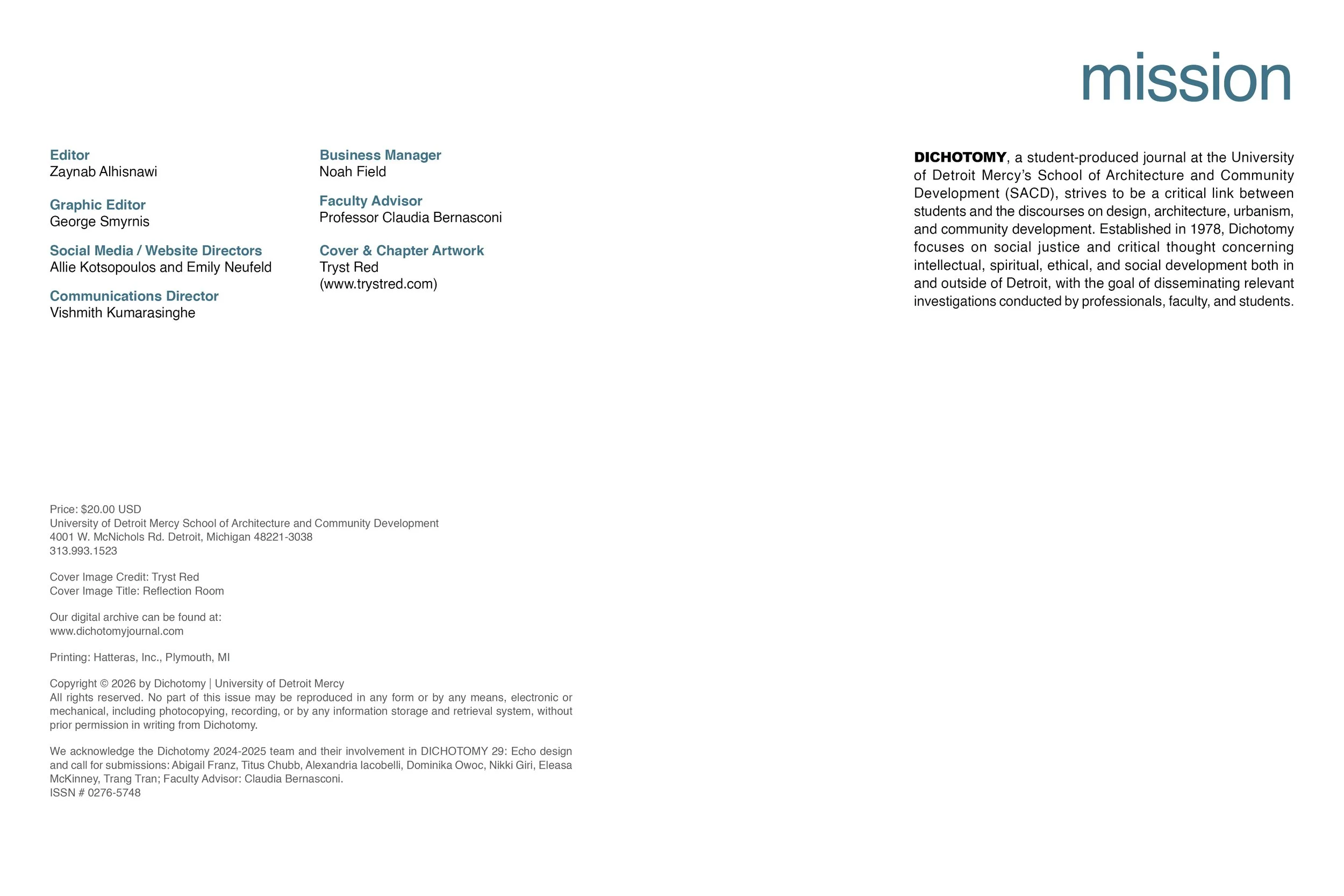
Team:
Editor: Zaynab Alhisnawi
Business Manager: Noah Field
Graphic Design Editor: George Smyrnis
Communications Director: Vishmith Kumarasinghe
Social Media / Website Directors: Allie Kotsopoulos, Emily Neufeld
Faculty Advisor: Professor Claudia Bernasconi